
Growing cannabis is an art and a science, and one of the most important aspects of cultivating healthy, thriving plants is choosing the right soil. Soil serves as the foundation for your cannabis plants, providing the necessary nutrients, support, and drainage for optimal growth. In this guide, we’ll explore the best soil types for growing cannabis, their benefits, and how to choose the ideal soil for your cultivation needs.
Understanding the Importance of Soil for Cannabis
Before diving into specific soil types, it’s important to understand why soil matters so much when growing cannabis. Soil impacts the plant’s ability to absorb nutrients, hold moisture, and support healthy root development. Cannabis plants require different conditions at various stages of growth, so understanding the soil’s pH, texture, and nutrient composition is key to producing a successful harvest.
Cannabis plants thrive in well-draining soil that allows roots to spread freely while preventing waterlogging. The soil should also be rich in organic matter, which helps retain moisture and nutrients. When choosing soil for your cannabis plants, consider factors like texture, aeration, and the ability to hold nutrients over time.
Key Characteristics of Good Cannabis Soil
When selecting soil for cannabis, there are a few key characteristics that will influence the success of your plants. These include:
1. pH Level
Cannabis plants prefer soil that is slightly acidic, with a pH level between 6.0 and 7.0. The pH of the soil affects how well the plants can absorb nutrients. Soil that is too acidic or too alkaline can lead to nutrient deficiencies or toxicities. Ensuring your soil is in the optimal pH range helps cannabis plants absorb the nutrients they need for healthy growth.
2. Texture and Structure
The texture of the soil impacts its ability to drain water while still retaining moisture. Cannabis plants require soil that is light and fluffy, not too compact. Loamy soil, which is a mix of sand, silt, and clay, is ideal as it provides a good balance of drainage and moisture retention. Soil that is too dense or heavy can suffocate roots and limit plant growth.
3. Nutrient Content
Cannabis requires a variety of nutrients, including nitrogen, phosphorus, and potassium, as well as trace elements like calcium, magnesium, and sulfur. The soil should contain enough organic material to support the plant’s nutritional needs. Organic soils, such as those enriched with compost or worm castings, are an excellent choice for growing cannabis because they release nutrients slowly over time.
Types of Soil for Growing Cannabis
Now that we understand the characteristics of good cannabis soil, let’s dive into the different types of soil commonly used for cannabis cultivation.
1. Loamy Soil
Loamy soil is often considered the gold standard for growing cannabis. It contains a balanced mixture of sand, silt, and clay, making it both well-draining and capable of retaining moisture. Loam also provides excellent aeration, allowing cannabis roots to expand and grow freely. This type of soil offers the best of both worlds: it doesn’t hold onto too much water, which can lead to root rot, but it also doesn’t dry out too quickly.
Loamy soil is ideal for both indoor and outdoor cannabis grows. It’s easy to amend with organic material, such as compost or worm castings, to ensure your plants get the nutrients they need throughout the growth cycle.
Benefits of Loamy Soil:
- Perfect balance of drainage and moisture retention
- Allows for healthy root development
- Easy to amend with organic nutrients
- Great for both indoor and outdoor grows
2. Sandy Soil
Sandy soil is well-draining and light, making it easy for water to pass through. This type of soil is often chosen for its ability to prevent waterlogging, which can be detrimental to cannabis plants. However, sandy soil tends to lack organic material, which means it doesn’t retain nutrients as well as loamy soil. To make sandy soil more suitable for cannabis, you’ll need to amend it with compost, peat moss, or other organic materials that add nutrients and improve moisture retention.
While sandy soil is not the most ideal for cannabis growth on its own, it can work well when properly amended. It’s particularly useful in climates with heavy rainfall, as it prevents water from accumulating around the roots.
Benefits of Sandy Soil:
- Excellent drainage prevents waterlogging
- Ideal for preventing root rot
- Suitable for tropical and humid climates with heavy rainfall
- Easy to amend with organic materials for better nutrient retention
3. Clay Soil
Clay soil has a fine texture that makes it dense and compact. While it can hold a lot of nutrients, it has poor drainage, which can lead to waterlogged conditions and root rot. Cannabis plants don’t thrive in overly compacted soil, so it’s important to amend clay soil with materials like perlite, sand, or compost to improve its aeration and drainage.
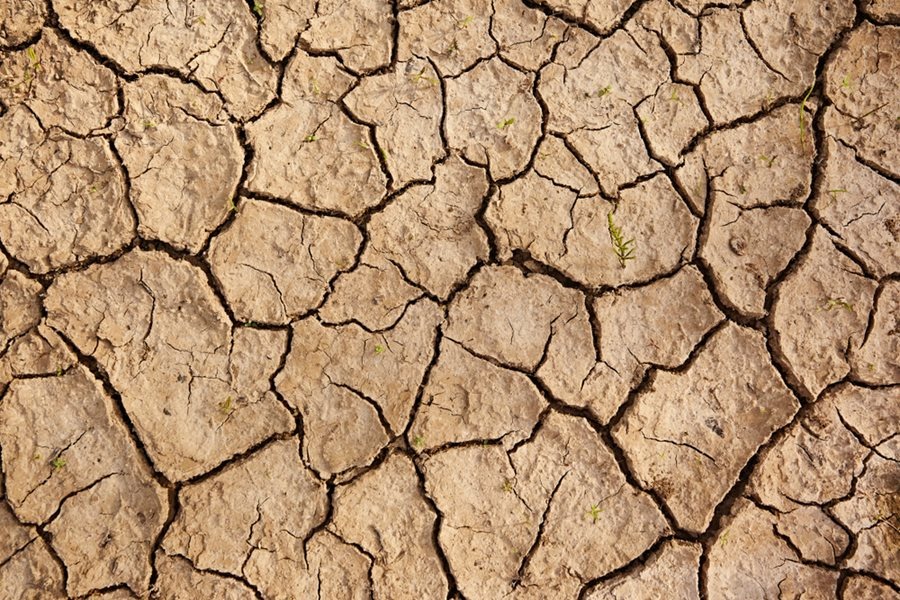
Clay soil is more suitable for outdoor growing in areas with consistent rainfall and moderate temperatures, as it helps retain moisture during dry spells. However, if you’re growing cannabis indoors or in a small garden, it may require significant amendments to make it suitable for healthy cannabis growth.
Benefits of Clay Soil:
- Rich in nutrients
- Retains moisture well, making it suitable for dry climates
- Ideal for outdoor growing with proper amendments
4. Peat Moss-Based Soil
Peat moss-based soil is commonly used in potting mixes because of its excellent moisture retention properties. This soil type is often chosen for its light texture and ability to hold nutrients over time. Peat moss also helps to lower the pH of the soil, making it more acidic, which is beneficial for cannabis plants.
However, peat moss-based soil can become compact over time, so it’s important to ensure proper aeration by mixing in other materials like perlite or vermiculite. Additionally, the environmental impact of harvesting peat moss has raised concerns, so it’s a good idea to choose sustainably sourced peat moss if you opt for this type of soil.
Benefits of Peat Moss-Based Soil:
- Excellent moisture retention
- Helps create slightly acidic conditions for cannabis
- Often used in commercial cannabis potting mixes
5. Coco Coir
Coco coir is a natural fiber derived from coconut husks. It’s an increasingly popular choice for cannabis cultivation because it offers many of the benefits of soil without some of its drawbacks. Coco coir has excellent water retention, is highly aerated, and provides a neutral pH, which makes it ideal for cannabis plants.
While coco coir is not technically soil, it behaves similarly in terms of supporting plant growth. It’s commonly used in hydroponic and soil-less growing systems, where it’s combined with nutrients and water to promote healthy cannabis development.
Benefits of Coco Coir:
- Great for hydroponic systems and soil-less grows
- Excellent moisture retention and aeration
- Neutral pH makes it suitable for most cannabis strains
Choosing the Best Soil for Your Cannabis Grow
When choosing soil for cannabis cultivation, it’s important to consider your specific needs, the climate, and whether you’re growing indoors or outdoors. Loamy soil is generally the best option due to its balanced texture and ability to retain nutrients and moisture. However, sandy soil, clay soil, and peat moss-based soil can also work well if properly amended to support healthy cannabis growth.
It’s always a good idea to test your soil’s pH and nutrient levels before planting and adjust accordingly to ensure the optimal conditions for your cannabis plants. Regular monitoring and proper amendments will ensure that your cannabis plants get the best possible foundation for growth.
Conclusion
Choosing the best soil for growing cannabis is essential for achieving healthy, productive plants. Loamy soil remains the top choice for many growers due to its balanced texture, good drainage, and ability to support healthy root systems. However, different soil types can work for cannabis cultivation, depending on your growing environment and the right amendments.
By understanding the characteristics of each soil type and amending it to suit your cannabis plants’ needs, you’ll be well on your way to cultivating a successful cannabis crop. Happy growing!