
The cultivation of CBD-rich cannabis plants has been growing in popularity due to the increasing demand for CBD products. If you’re planning to grow your own cannabis plants for CBD extraction, harvesting and processing the seeds properly is crucial for achieving maximum potency. From selecting the right seeds to careful harvesting and processing, each step plays a significant role in the quality of your final product. In this blog post, we will guide you through the process of harvesting and processing your CBD seeds to ensure you get the best results.
Understanding the Basics of CBD Seed Cultivation
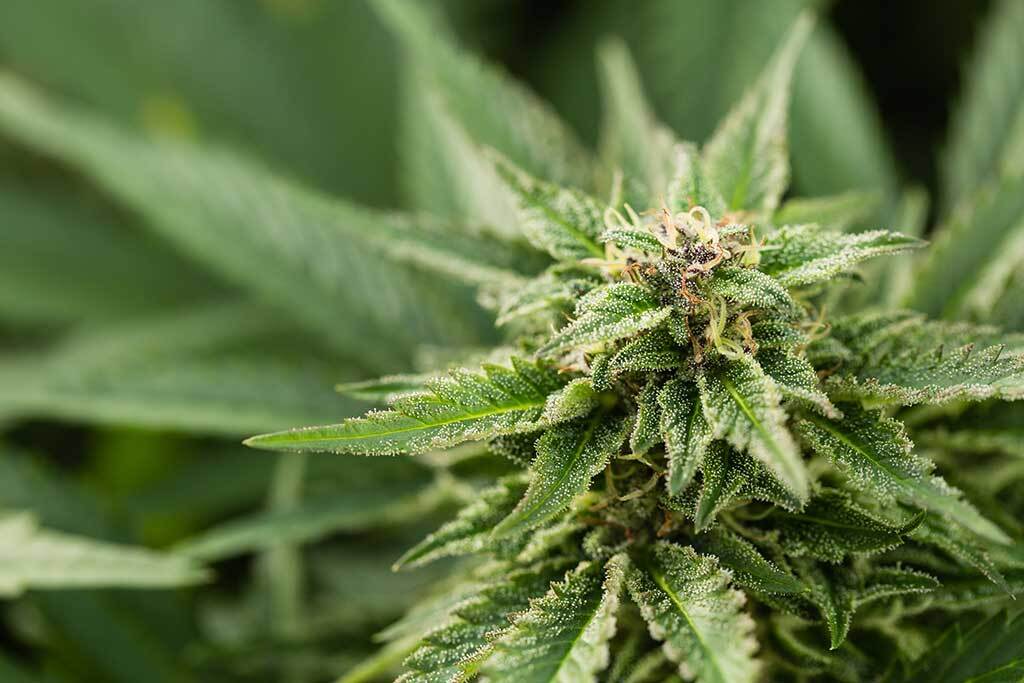
Before diving into the details of harvesting and processing, it’s important to understand the basics of CBD seed cultivation. The quality of your CBD oil starts with the seed, so choosing the right strain is crucial. There are two main types of cannabis plants: hemp and marijuana. For CBD production, you will need a hemp strain that has been bred specifically for its CBD content.
Choosing the Right CBD Seeds
When it comes to CBD cultivation, selecting high-quality seeds is the first step toward ensuring a potent product. Look for feminized CBD seeds, which are bred to produce only female plants. Female plants are the ones that produce CBD-rich flowers, which is what you will harvest. Male plants, on the other hand, do not produce significant amounts of CBD and should be avoided unless you plan to breed your own seeds.
Make sure to buy seeds from reputable sources to ensure you’re getting genetics that have been tested for high CBD content. If you’re growing CBD for personal use or for extraction, consider strains with a higher CBD-to-THC ratio (e.g., 20:1 or higher), as these will provide you with maximum CBD potency and comply with legal regulations.
How to Harvest CBD Seeds for Maximum Potency
The timing of your harvest is critical when it comes to the potency of your CBD seeds. Harvesting too early or too late can affect the quality and concentration of CBD in your seeds. Here are the steps you need to follow:
1. Monitor Plant Maturity
To get the highest CBD content, you must harvest your plants at the right time. CBD-rich cannabis plants go through various stages of development before they reach their peak potency. The main sign that your plant is ready for harvest is when the trichomes (small resin glands on the buds) are at their optimal maturity. Here’s how to tell:
- Early maturity: When the trichomes are still clear, your plant is not fully mature, and the CBD content may not be at its peak.
- Ideal maturity: When the trichomes turn milky white, your plant has reached its optimal CBD potency. This is when you should harvest.
- Late maturity: If the trichomes turn amber, it may indicate that the plant is overripe. While CBD content may still be high, other compounds like THC may begin to increase.
To accurately monitor the trichomes, use a jewelers’ loupe or magnifying glass to inspect the buds closely.
2. Harvesting the Buds
Once your plant has reached the right maturity, it’s time to begin harvesting the buds. Here’s how to do it:
- Trim carefully: Use a sharp pair of pruning shears or scissors to trim off the buds from the plant. Always trim just above the main stem to avoid damaging the buds.
- Timing matters: Harvest your plants in the morning when the CBD and other cannabinoids are most concentrated.
- Remove leaves: While some leaves can be left attached, it’s important to remove the large fan leaves that don’t contain significant amounts of CBD. This makes the drying and curing process easier.
3. Drying the CBD Buds
After you’ve harvested your CBD buds, you need to dry them properly. Drying is essential for preserving the potency of CBD and preventing mold growth. Here’s how to dry your buds:
- Hang the buds: After trimming, hang the buds upside down in a dark, cool, and dry space with good air circulation. You can use string, wire, or mesh to hang them.
- Humidity control: Ensure the humidity level is between 50-60% for optimal drying. Too much moisture can lead to mold, while too little moisture can dry out your buds too quickly, which can negatively impact the CBD content.
- Drying time: Allow the buds to dry for around 7-14 days, depending on the size of the buds and environmental conditions. You’ll know they are dry when the stems snap instead of bending.
4. Curing the CBD Buds
Curing is the process of aging and drying the buds after the initial drying period. It enhances the flavor, aroma, and overall quality of the buds. Here’s how to cure your CBD buds properly:
- Store in airtight jars: After drying, place the buds in airtight glass jars. Don’t overcrowd the jars, as this can impede airflow.
- Burp the jars: For the first few weeks, open the jars once or twice a day for about 10-15 minutes. This releases any excess moisture and allows fresh air to circulate.
- Curing time: Cure the buds for a minimum of 4 weeks for the best results, though some growers cure for 8 weeks or longer.
Curing your buds properly can significantly enhance the quality of your final product, maximizing its CBD potency.
Processing CBD Seeds for Maximum Potency
Once your CBD buds are dried and cured, it’s time to process the seeds for extraction. Here’s a step-by-step guide to ensure you extract the maximum CBD content from your seeds:
1. Extracting CBD from the Buds
After curing your buds, you can begin extracting the CBD. There are several methods available, but the most common ones are CO2 extraction and solvent-based extraction.
- CO2 extraction: This method uses high-pressure CO2 to separate the CBD oil from the plant material. It’s considered one of the safest and most efficient extraction methods, as it preserves the CBD and other cannabinoids.
- Solvent extraction: Solvent-based extraction uses alcohol or other solvents to extract the CBD. While this method is more affordable, it can sometimes leave residual solvents in the final product, so it’s important to purify the extract afterward.
2. Cold Pressing for CBD Oil
Cold pressing is a method used for obtaining oil from seeds. This method preserves the natural integrity of the oil and maintains its potency. The CBD seeds can be cold-pressed using an oil press, producing high-quality CBD oil. The oil is then filtered to remove any leftover plant material and can be used in a variety of products, including tinctures, creams, or capsules.
3. Storage of Processed CBD Oil
After processing the CBD oil, it’s important to store it correctly to maintain its potency. Store CBD oil in dark glass containers to protect it from light, and keep it in a cool, dry place. Refrigeration can also help extend its shelf life.
4. Testing for Potency
Once your CBD oil is processed, it’s important to test its potency to ensure that it has the desired levels of CBD. You can use third-party labs to conduct cannabinoid testing, which will give you an accurate reading of CBD concentration and ensure quality control.
Read Also : Best Soil Types for Growing Cannabis: A Comprehensive Overview
Conclusion
Harvesting and processing CBD seeds is a delicate process that requires patience and attention to detail. By selecting the right seeds, harvesting at the ideal time, and properly drying, curing, and processing your buds, you can ensure maximum CBD potency in your final product. Whether you’re cultivating CBD for personal use or for commercial extraction, following these best practices will help you get the most out of your efforts. With the right care and technique, you can create high-quality CBD products that are both potent and effective.