
The cannabis industry is undergoing a significant transformation, with cannabidiol (CBD) seeds at the forefront of this evolution. Advancements in cultivation techniques, breeding innovations, and technological integrations are shaping the future of CBD seed production. This blog post explores the emerging trends and innovations in cannabis cultivation, highlighting their impact on the CBD seed market.
1. Advanced Cultivation Techniques
Modern cultivation methods are revolutionizing how CBD-rich cannabis plants are grown. Techniques such as hydroponics and aeroponics allow for precise control over environmental factors, leading to optimized plant health and yield. Hydroponics involves growing plants in a water-based, nutrient-rich solution, eliminating the need for soil. This method enhances nutrient uptake and accelerates growth rates. Aeroponics, on the other hand, involves suspending plant roots in the air and misting them with nutrients, further improving efficiency and resource utilization.
2. Genetic Innovations in Breeding
Breeding techniques are evolving with the integration of genetic markers and tissue culture methods. Genetic markers enable breeders to identify specific traits at the DNA level, streamlining the development of strains with desired characteristics such as high CBD content and disease resistance. Tissue culture allows for the cloning of plants, ensuring uniformity and preserving beneficial traits. These innovations lead to the development of superior CBD strains, meeting the growing consumer demand for high-quality products. Seeds Here Now
3. Technological Integration in Cultivation
The fusion of technology with traditional cultivation practices is enhancing efficiency and productivity. Artificial Intelligence (AI) is being employed to monitor and adjust environmental conditions in real-time, optimizing growth parameters and resource usage. AI-powered systems can detect early signs of pests and diseases, enabling prompt intervention and reducing crop loss. Additionally, blockchain technology is being utilized to ensure transparency in the supply chain, allowing consumers to trace the origin and quality of CBD products.
4. Sustainable and Eco-Friendly Practices
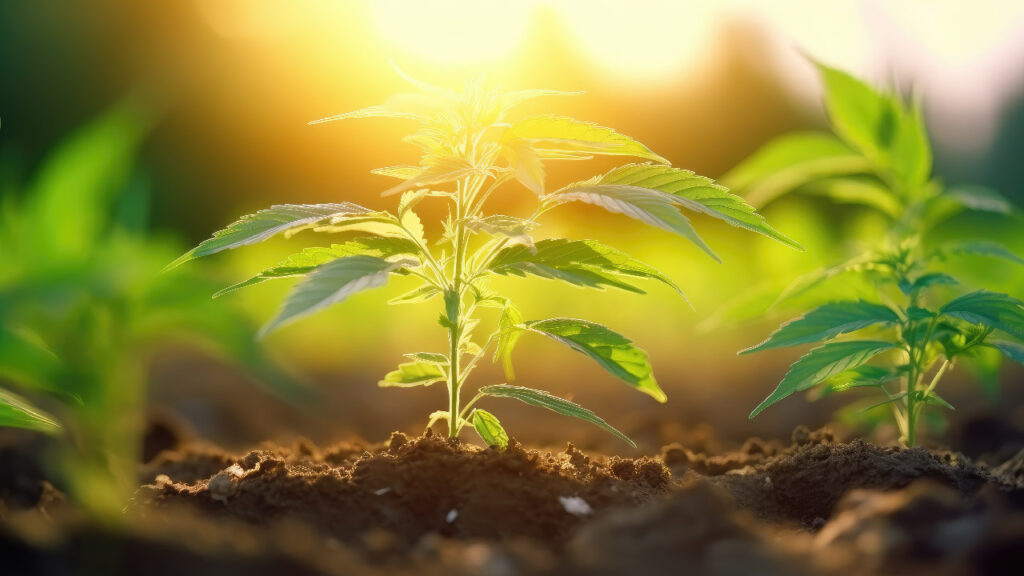
Sustainability is becoming a core focus in cannabis cultivation. Breeders are developing cultivars that require fewer resources, such as water and fertilizers, aligning with global environmental goals. Organic cultivation methods are gaining popularity, reducing the reliance on synthetic chemicals and promoting soil health. These eco-friendly practices not only appeal to environmentally conscious consumers but also contribute to the long-term viability of the cannabis industry. Seeds Here Now
5. Regulatory Developments and Global Expansion
Regulatory landscapes are evolving, with countries like Brazil initiating research programs into cannabis cultivation. Brazil’s agricultural research agency, Embrapa, is launching a 12-year program focused on creating a cannabis seed bank and adapting varieties to the country’s climate. This initiative signifies a broader acceptance and recognition of the economic potential of cannabis, paving the way for global expansion and investment opportunities. Reuters
6. Consumer Demand for Diverse CBD Products
Consumer interest in CBD products is diversifying, with a growing demand for innovative and infused offerings. There is a rising interest in novel CBD-infused products such as gourmet foods, craft beverages, and beauty products. These innovations not only offer consumers new ways to integrate CBD into their daily routines but also elevate the user experience, opening up a broader market. Flower Power
7. Data-Driven Decision Making
Data analytics is playing a crucial role in shaping cultivation strategies. By analyzing consumer behavior, market trends, and operational metrics, businesses can make informed decisions that enhance profitability and meet market demands. Data-driven approaches allow for the optimization of cultivation practices, ensuring that the supply aligns with consumer preferences and market trends. Rolling Stone
8. Challenges and Opportunities
Despite advancements, challenges such as regulatory hurdles, market saturation, and consumer education persist. However, these challenges present opportunities for innovation and differentiation. Cultivators and businesses that adapt to changing regulations, invest in consumer education, and continue to innovate will be well-positioned for success in the evolving CBD market.
Read Also : Understanding the Different Methods of Cannabis Extraction
Conclusion
The future of CBD seeds is being shaped by a confluence of technological advancements, innovative cultivation practices, and evolving consumer preferences. As the industry grows, stakeholders must remain adaptable, embracing change and fostering innovation to meet the dynamic demands of the global market. By staying informed and proactive, the potential for success in the CBD seed sector is vast, offering opportunities for growth, sustainability, and consumer satisfaction.