
Introduction
Growing CBD-rich cannabis can be incredibly rewarding, especially when you’re aiming for clean, potent, and high-quality flower. But even the most enthusiastic growers often stumble because cultivating CBD seeds requires more precision than it first appears. While the process is accessible to beginners, understanding what not to do can save you time, money, and frustration. Let’s walk through the most common mistakes growers make—and more importantly, how you can sidestep them with confidence.
Common Mistakes to Avoid When Growing CBD Seeds
1. Choosing Low-Quality or Unverified Seeds
A successful grow begins long before the first pot of soil is filled. Many beginners make the mistake of purchasing cheap, unverified, or generic CBD seeds without checking their genetic background. Poor-quality seeds often lead to low germination rates, inconsistent CBD levels, and plants that simply aren’t stable.
It’s essential to buy seeds from reputable breeders who provide detailed strain information, including CBD-to-THC ratios, genetic lineage, and expected growth characteristics. Seeds with strong genetics produce healthier plants, more predictable cannabinoid profiles, and better yields. Think of high-quality seeds as the foundation—without them, even the best setup won’t deliver the results you’re after.
2. Improper Germination Techniques
Germination seems simple, yet it’s one of the most common places where growers slip up. Overwatering, touching the taproot, using contaminated materials, or exposing seeds to fluctuating temperatures can drastically reduce success rates.
Avoid placing seeds directly into dense or overly wet soil, which restricts oxygen and can cause rot. Instead, maintain moisture without saturation and keep temperatures steady between 20°C and 25°C. Whether you prefer the paper towel method or germinating directly in starter cubes, consistency is the key. Gentle handling and a clean environment go a long way in ensuring that your seeds sprout strong.
3. Using Poor-Quality Soil or Incorrect Growing Medium
CBD-rich cannabis thrives in nutrient-balanced, well-aerated soil. Yet many growers unknowingly use heavy, compact soils or nutrient-deficient mixes. These conditions stunt root development, restrict water flow, and limit nutrient uptake.
A good growing medium should be light, fluffy, and full of organic matter. Options like coco coir, perlite-amended soil, and specialized cannabis mixes provide the right combination of drainage and aeration. Your medium should support vigorous root growth because healthy roots are the engine behind CBD production and overall plant performance.
4. Overwatering and Underwatering
Watering mistakes are so common that nearly every grower encounters them at some point. Overwatering leads to root rot, fungal growth, and oxygen deprivation, while underwatering stresses the plant and disrupts cannabinoid development.
It’s crucial to learn your plant’s rhythm. Check how long your soil takes to dry between waterings and feel the weight of your pots when they’re wet versus dry. Once you get accustomed to your plant’s needs, you’ll develop a watering schedule that’s responsive instead of rigid. The goal is hydration without suffocation—moist but not soggy.
5. Ignoring pH Levels
pH imbalances are silent killers in cannabis cultivation. If the pH is too high or too low, your plants won’t absorb nutrients properly, even if the nutrients are present. This leads to deficiencies, slow growth, and ultimately poor CBD yield.
For soil grows, the sweet spot lies between 6.0 and 7.0. For hydroponics or coco-based mediums, aim for 5.5 to 6.5. Measuring and adjusting pH may feel tedious at first, but it quickly becomes second nature—and it’s one of the most effective ways to maintain plant health and predictable CBD levels.
6. Overfeeding or Incorrect Nutrient Balance
More nutrients do not equal better growth. Overfeeding is a classic mistake that results in nutrient burn, locked-out roots, or imbalanced foliage development. These issues can significantly reduce CBD content and overall yield.
Start with half-strength nutrients and gradually increase only if the plant shows signs of needing more. It’s also important to use nutrient formulas designed for cannabis or high-performance plants. CBD-focused strains generally thrive with nutrient regimens that emphasize healthy root systems and consistent micronutrient intake rather than excessive nitrogen.
7. Poor Lighting Conditions
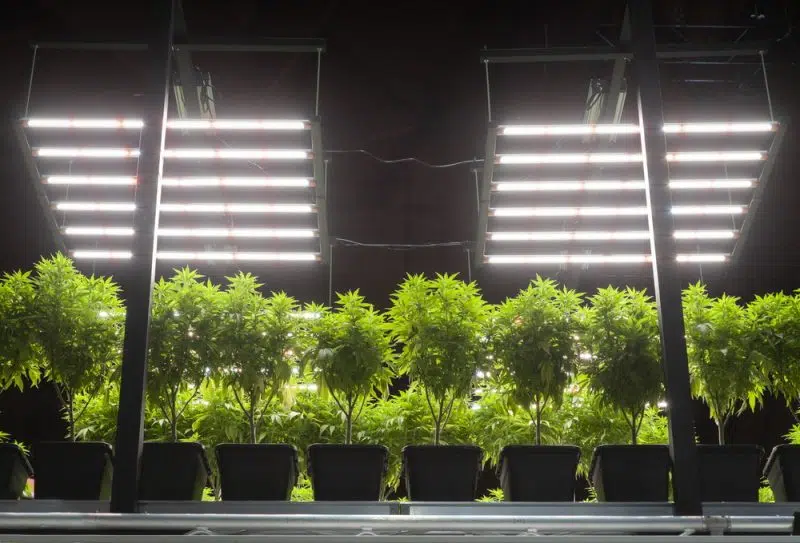
Light determines how much energy your CBD plants can turn into dense, cannabinoid-rich buds. Poor lighting—either too little or too much—can disrupt growth stages and reduce flower quality.
Some growers use household bulbs or weak LEDs that don’t supply enough intensity or spectrum. Others place lights too close, causing heat stress and bleaching. High-quality full-spectrum LED grow lights or proper HID setups ensure your plants receive the right wavelengths. Maintain 18 hours of light during the vegetative stage and switch to 12/12 for flowering. Balanced lighting encourages robust bud development and optimal CBD output.
8. Inadequate Airflow and Ventilation
Stagnant air invites mold, pests, and moisture problems—especially during flowering. CBD strains with dense buds are particularly vulnerable to bud rot, which can wipe out your harvest overnight.
Proper airflow prevents these issues by maintaining even humidity and temperature while strengthening stems. Use oscillating fans to keep air moving and install an exhaust system if growing indoors. Good ventilation also helps plants exchange gases efficiently, which directly impacts growth rate and cannabinoid production.
9. Neglecting Temperature and Humidity Control
Many growers underestimate how sensitive cannabis plants are to climate fluctuations. Too much heat can slow growth and trigger stress responses, while excessive humidity increases the risk of mold. On the flip side, very low humidity can dry out the plant and hinder nutrient absorption.
Aim for 22°C to 28°C during the day and slightly cooler nights. Keep humidity around 60% during early vegetative growth and gradually reduce it to 40–50% during flowering. Stable conditions create an environment where your CBD-rich plants can develop fully without unnecessary stress.
10. Harvesting Too Early or Too Late
Harvest timing has a major impact on CBD levels. Many beginners harvest based on color alone or rush the process because the buds look ready. Others wait too long, hoping for more density, only to watch CBD content drop as the flowers age.
A better approach is to study trichomes—the tiny resin glands coating the buds. Clear trichomes indicate immaturity, cloudy ones signal peak CBD potency, and amber tones show the cannabinoids are degrading. Harvesting when most trichomes are cloudy ensures optimal CBD concentration and smooth effects.
11. Skipping the Drying and Curing Process
Even a perfect grow can be ruined by improper drying and curing. Rushing this step traps moisture inside the buds or leads to harsh, uneven smoke. Worse yet, it can degrade the cannabinoids and terpenes you worked so hard to preserve.
Dry buds slowly in a cool, dark space with gentle airflow for about 7–14 days. Afterward, cure them in airtight glass jars, opening the lids briefly each day for the first 1–2 weeks. A well-cured CBD flower maintains its potency, flavor, and aroma far longer than one that was rushed.
Final Thoughts
Growing CBD seeds is a journey that teaches patience, observation, and respect for the plant. While mistakes are part of learning, being aware of these common pitfalls helps you avoid setbacks and move steadily toward better harvests. When you understand your plant’s needs—from soil quality and lighting to humidity and post-harvest care—you set the stage for a successful grow with rich, high-CBD buds.