
Growing CBD-rich cannabis plants can be a rewarding experience, but success heavily depends on understanding how climate influences seed growth and plant development. The climate in which you grow your CBD seeds plays a critical role in determining their overall health, growth rate, and final yield. Whether you are cultivating CBD seeds in a temperate region or a tropical area, the climate’s influence on your plants cannot be underestimated.
In this blog post, we will discuss the impact of different climates on CBD seed growth and offer practical tips for growing CBD seeds in various regions. By understanding the climate’s role in plant growth, you can maximize the potential of your CBD plants and ensure healthy, thriving crops.
The Importance of Climate for CBD Seed Growth
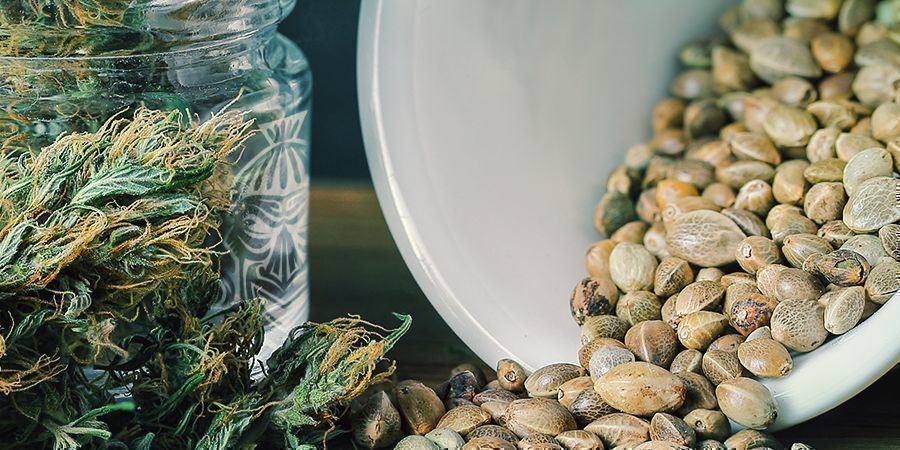
Why Climate Matters for CBD Seeds
Climate affects every stage of cannabis plant growth, from seed germination to the final harvest. Factors such as temperature, humidity, rainfall, and sunlight can influence the rate of photosynthesis, plant metabolism, and overall health. Cannabis plants are sensitive to temperature fluctuations, humidity levels, and seasonal changes, which makes understanding the local climate essential for successful cultivation.
The right climate conditions ensure that your CBD plants grow strong, resist pests and diseases, and produce a high-quality harvest. On the other hand, extreme temperatures, excessive humidity, or insufficient sunlight can stunt growth, reduce yields, and even cause plant death.
Growing CBD Seeds in Different Climates
1. Temperate Climates: Ideal for Outdoor Growing
Temperate climates, characterized by mild temperatures and moderate rainfall, offer the best conditions for growing CBD seeds outdoors. Regions with distinct seasons, such as parts of Canada, the northern United States, and Europe, are particularly suited for CBD cultivation.
Key Climate Factors for Temperate Regions:
- Temperature: Ideal daytime temperatures for CBD plants range from 70°F to 85°F (21°C to 29°C), with cooler nights around 50°F to 60°F (10°C to 15°C).
- Sunlight: CBD plants need around 12-16 hours of direct sunlight per day to thrive.
- Humidity: Moderate humidity levels of 40-60% are perfect for preventing mold and mildew.
Tips for Growing CBD in Temperate Climates:
- Timing: In temperate regions, planting CBD seeds in late spring or early summer ensures the plants have enough time to mature before the first frost. Consider using a greenhouse for an extended growing season.
- Soil Preparation: Ensure your soil is well-draining and rich in nutrients. Add compost or organic matter to improve soil fertility and maintain pH levels between 6.0 and 7.0.
- Watering: Water CBD plants consistently but avoid overwatering. During the flowering stage, reduce water to prevent root rot.
2. Tropical Climates: Managing Heat and Humidity
Tropical climates, characterized by high humidity and temperatures, present unique challenges for CBD seed growth. While these regions provide a long growing season, the intense heat and moisture can promote the growth of mold and mildew, making it crucial to manage climate-related risks carefully.
Key Climate Factors for Tropical Regions:
- Temperature: CBD plants thrive in temperatures between 70°F and 85°F (21°C to 29°C), but excessive heat can stress the plants and reduce yield.
- Sunlight: While CBD plants require plenty of sunlight, excessive exposure can lead to sunburn. A balance of sun and shade is necessary in tropical climates.
- Humidity: High humidity levels above 60% can create an ideal environment for fungal infections, mold, and mildew, which are detrimental to CBD plants.
Tips for Growing CBD in Tropical Climates:
- Airflow: Ensure good airflow around the plants to reduce humidity levels around the leaves. Consider using fans or planting CBD in raised beds to improve air circulation.
- Shade: Provide partial shade during the hottest parts of the day, especially during the flowering phase, to prevent heat stress and sunburn.
- Pest Control: Tropical climates can attract a range of pests, so it’s essential to monitor plants regularly and use organic pest control methods to protect your crop.
3. Arid Climates: Handling Dry Conditions
Arid climates, such as those found in parts of California, the Middle East, and southern Australia, are characterized by high temperatures and low humidity. These conditions can be tough for CBD plants, as they require careful attention to water management and temperature regulation.
Key Climate Factors for Arid Regions:
- Temperature: High daytime temperatures ranging from 80°F to 100°F (27°C to 38°C) can stress plants, while nighttime temperatures may drop significantly.
- Sunlight: Arid climates receive abundant sunlight, which can benefit CBD plants, but too much direct sunlight without proper protection can lead to sunburn.
- Humidity: Low humidity levels (below 40%) can dry out the soil and stress plants, causing dehydration.
Tips for Growing CBD in Arid Climates:
- Watering Techniques: Implement efficient watering techniques like drip irrigation or soaker hoses to provide consistent moisture without water wastage.
- Mulching: Use mulch around your CBD plants to retain soil moisture and keep the roots cool. Organic mulch like straw or wood chips works best for retaining moisture.
- Temperature Control: Consider using shade cloths or greenhouses to protect plants from extreme heat. These structures help regulate temperature and humidity levels, providing a more controlled environment.
4. Cold Climates: Overcoming Short Growing Seasons
Cold climates, typically found in northern regions with long winters and short summers, can be more challenging for growing CBD seeds. The short growing season means there’s limited time for CBD plants to mature, and frost can damage or kill plants if not carefully managed.
Key Climate Factors for Cold Regions:
- Temperature: CBD plants cannot tolerate frost, so it’s essential to maintain a minimum temperature of 60°F (15°C). Ideally, daytime temperatures should range between 70°F and 85°F (21°C to 29°C).
- Sunlight: Cold climates may have fewer daylight hours, which can slow down the growth process. Longer days in late spring and summer are needed for the plants to receive sufficient sunlight.
- Frost: Frost is a major concern in cold climates, and it can stunt or kill cannabis plants if they are exposed to it during the early stages of growth or while flowering.
Tips for Growing CBD in Cold Climates:
- Indoor Cultivation: Consider growing CBD indoors using hydroponic or soil-based methods. This allows you to control the temperature and lighting, extending the growing season.
- Greenhouses: Use greenhouses or poly tunnels to create a warmer environment for your plants. These structures help protect plants from frost and provide more consistent growing conditions.
- Shorter Strains: Choose strains with shorter flowering times to ensure they can mature before the weather turns cold.
Read Also : How to Harvest and Process Your CBD Seeds for Maximum Potency
Conclusion
The climate plays a crucial role in the growth and success of CBD cultivation. Each region presents unique challenges, from extreme heat and humidity in tropical climates to short growing seasons in cold areas. By understanding the climate in your region and implementing the right strategies, you can ensure that your CBD seeds thrive, regardless of where you’re located.
Whether you’re growing in a temperate, tropical, arid, or cold climate, adapting your cultivation techniques to suit local conditions will allow you to maximize yield and produce high-quality CBD. By focusing on sustainable practices, providing the right care, and choosing the right strains, you can successfully grow CBD seeds and create a flourishing crop in any environment.