
The quality of any crop begins with two key elements: the seed and the soil. In the world of CBD cultivation, where farmers and growers aim for high yields and premium cannabinoid content, starting with the right CBD seeds and ensuring optimal soil health is essential. The connection between seeds and soil goes beyond basic agriculture—it’s about creating an environment where plants can reach their full potential.
This blog explores the relationship between CBD seeds and soil health, why it matters, and how growers can maximize yield by starting right.
Why CBD Seeds Matter in Cultivation
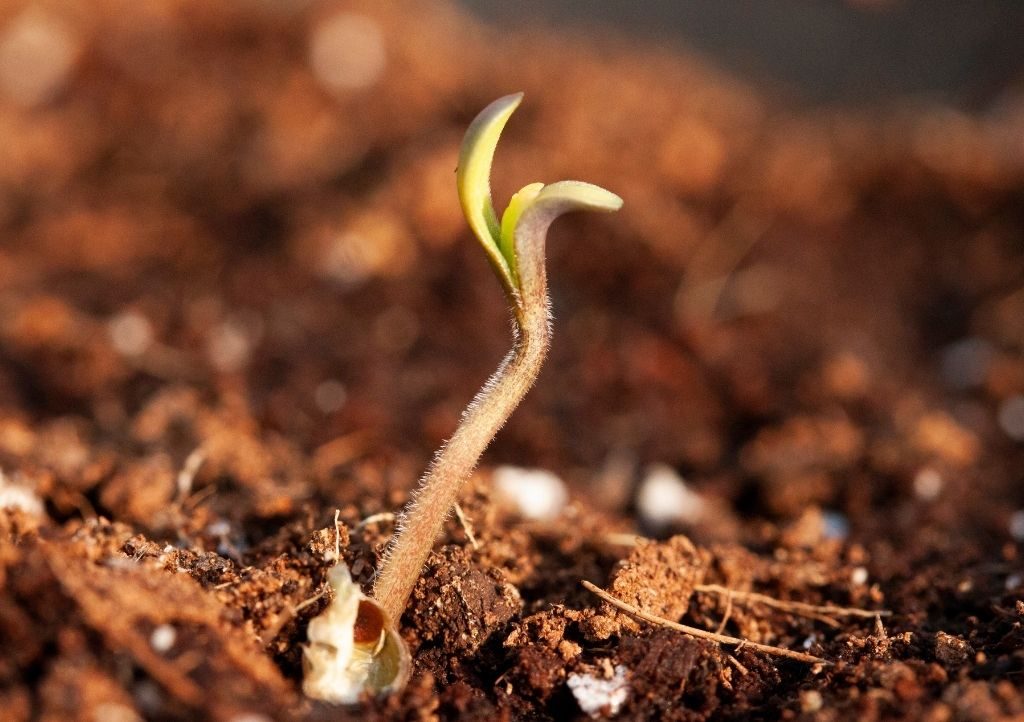
CBD-rich hemp and cannabis plants rely on genetic stability and quality seeds. Choosing the right CBD seeds directly impacts germination rates, plant resilience, and cannabinoid profiles. High-quality seeds are bred for consistency, ensuring farmers don’t waste resources on weak or unstable plants.
Genetic Stability and Yield
Not all CBD seeds are created equal. Stable genetics ensure uniform growth, predictable flowering times, and reliable CBD content. Without these traits, cultivators face inconsistent yields and difficulties meeting market demands.
The Link Between Seeds and Soil
Even the best seeds can underperform if planted in poor soil conditions. Seeds and soil work together: while seeds bring genetic potential, soil provides the foundation for nutrient absorption, root development, and overall plant health.
Understanding Soil Health in CBD Cultivation
Healthy soil is more than just dirt—it’s a living ecosystem of minerals, organic matter, and microorganisms. For CBD cultivation, soil quality can determine how well plants develop and how much yield they produce.
Key Components of Healthy Soil
- Soil Structure – Loose, well-aerated soil promotes root expansion and prevents waterlogging.
- Nutrient Availability – Essential nutrients like nitrogen, phosphorus, and potassium must be present in the right balance.
- Organic Matter – Compost and natural amendments improve fertility and water retention.
- Microbial Activity – Beneficial bacteria and fungi help break down organic matter and make nutrients available to plants.
Soil pH and CBD Plant Growth
Soil pH plays a vital role in nutrient uptake. CBD plants thrive in slightly acidic to neutral soil (around 6.0 to 7.0). If pH levels are too high or too low, nutrients become locked in the soil, leading to deficiencies and stunted growth.
How Starting Right Improves Yield
Growers often underestimate the importance of the first stages of cultivation. Healthy soil and quality CBD seeds set the foundation for long-term success.
Germination and Early Root Development
When seeds are planted in nutrient-rich, well-prepared soil, they germinate faster and establish stronger root systems. This early advantage ensures the plants can absorb water and nutrients efficiently, leading to vigorous growth later.
Resistance to Stress and Disease
Plants that start strong are better equipped to handle environmental stressors like drought, pests, or fluctuating temperatures. A robust root system, supported by healthy soil, also reduces the risk of fungal diseases such as root rot.
Higher Cannabinoid Profiles
CBD concentration is not only determined by genetics but also by the plant’s ability to access nutrients. Healthy soil ensures plants develop fully, producing flowers with higher and more consistent cannabinoid content.
Best Soil Practices for Growing CBD from Seeds
To maximize yield, growers need to focus on preparing and maintaining healthy soil before planting CBD seeds.
Soil Preparation
- Test the Soil – A soil test provides insight into nutrient levels, pH, and organic matter content.
- Amend the Soil – Add compost, manure, or organic fertilizers to boost fertility.
- Ensure Proper Drainage – Raised beds or loamy soil prevent waterlogging and root issues.
Maintaining Soil Health During Growth
- Rotate Crops – Avoid growing hemp or cannabis in the same soil repeatedly to prevent nutrient depletion.
- Mulching – Helps retain moisture, regulate temperature, and suppress weeds.
- Cover Crops – Plants like clover or alfalfa improve soil structure and add nitrogen naturally.
The Role of Microorganisms in CBD Cultivation
Soil microorganisms are the hidden heroes of cultivation. They form symbiotic relationships with plant roots, improving nutrient absorption and boosting overall plant health.
Mycorrhizal Fungi
These fungi attach to plant roots and extend their reach, allowing plants to access nutrients and water more efficiently. They also enhance plant resilience against stress and disease.
Beneficial Bacteria
Bacteria such as Rhizobium fix nitrogen from the atmosphere, providing plants with essential nutrients. Others break down organic matter, releasing minerals in plant-available forms.
Organic and Regenerative Practices for Better Yields
Sustainability is becoming a priority in CBD cultivation. By focusing on soil regeneration, growers not only improve yields but also protect the environment.
Benefits of Organic Soil Practices
- Reduced chemical dependency
- Healthier microbial communities
- Improved cannabinoid profiles
- Greater consumer appeal due to organic certification
Regenerative Approaches
Techniques such as no-till farming, composting, and biochar application restore soil health over time. These methods ensure that CBD farming remains productive while minimizing environmental impact.
Indoor vs. Outdoor Soil Considerations
CBD cultivation can happen in both indoor and outdoor environments, but soil health plays a different role in each.
Outdoor Soil Challenges
Outdoor cultivation depends heavily on local soil conditions. Growers may need to amend or replace native soil to ensure ideal growing conditions for CBD seeds.
Indoor Soil Alternatives
Indoor growers often use soilless media like coco coir or hydroponic systems. While these methods bypass traditional soil health, they still require careful nutrient management to mimic natural soil benefits.
Economic and Consumer Benefits of Healthy Soil
The connection between CBD seeds and soil health is not just about yield—it also affects profitability and consumer trust.
Lower Production Costs
Healthy soil reduces the need for synthetic fertilizers and pesticides, cutting long-term costs for farmers.
Premium Product Quality
Consumers are increasingly aware of the source of their CBD products. Plants grown in nutrient-rich, organic soils often produce higher-quality flowers, leading to stronger demand and better prices.
Looking Ahead: The Future of CBD Cultivation
As the CBD market grows, soil health will become an even bigger focus for sustainable farming. Growers who prioritize soil management and start with the right CBD seeds will lead the way in producing high-yield, high-quality crops.
Innovations in soil science, organic farming techniques, and genetic seed development will continue to shape the future of CBD cultivation, ensuring that yields remain strong while preserving the environment.
Read Also : Best Soil Types for Growing Cannabis: A Comprehensive Overview
Conclusion
CBD cultivation begins with the seed, but soil health determines whether that seed reaches its full potential. High-quality CBD seeds paired with nutrient-rich, well-balanced soil create the perfect foundation for robust plant growth, disease resistance, and superior cannabinoid content. By starting right—choosing strong genetics and maintaining healthy soil—growers can maximize yields, reduce costs, and deliver premium CBD products to the market.
The path to thriving CBD cultivation lies in respecting the relationship between seeds and soil, because when both work together, the results speak for themselves.