
As awareness of environmental challenges grows, industries worldwide are striving to adopt sustainable practices. The CBD industry, driven by the booming demand for cannabidiol products, is no exception. While CBD production holds immense potential for improving health and wellness, it’s equally important to evaluate its environmental impact and explore ways to make its sourcing more sustainable.
This blog delves into the environmental footprint of CBD production, current sustainability challenges, and actionable solutions to reduce its ecological impact.
What is CBD, and Why is it Popular?
Cannabidiol (CBD) is a non-psychoactive compound extracted from the cannabis plant. It has gained popularity for its potential therapeutic benefits, including relief from pain, anxiety, insomnia, and inflammation. Products such as CBD oils, tinctures, edibles, and topicals have surged in demand globally.
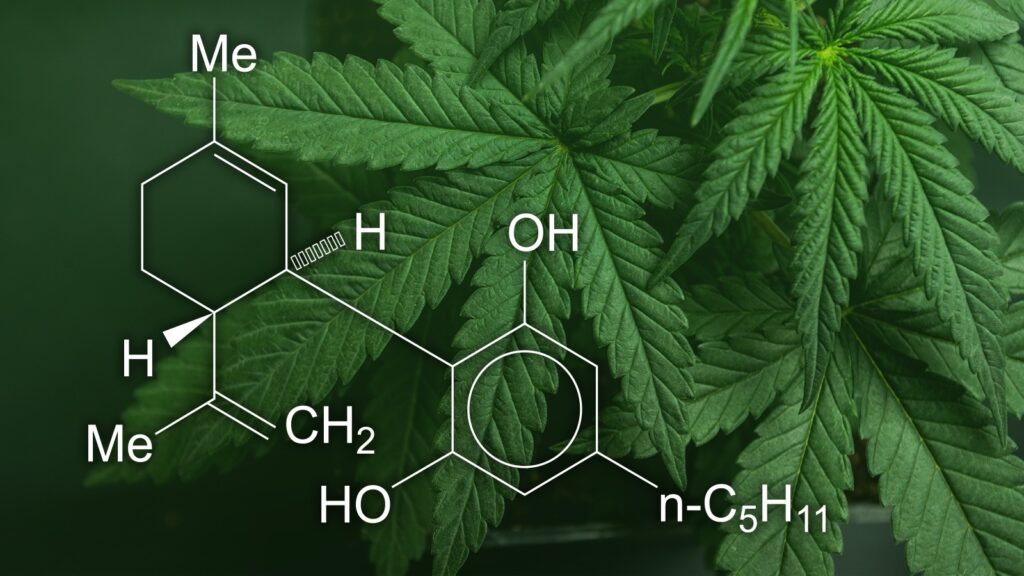
However, with this increased popularity comes the need for ethical and sustainable sourcing practices. Like any agricultural crop, cannabis cultivation and CBD extraction processes impact the environment, and understanding these effects is the first step toward mitigating them.
The Environmental Impact of CBD Production
The production of CBD, from cultivation to extraction and packaging, has a measurable impact on the environment. Understanding these effects is crucial to identifying areas where sustainable practices can mitigate harm and promote eco-friendly solutions.
1. Land and Water Use
Cannabis cultivation, the primary source of CBD, requires considerable land and water resources. While hemp is a more sustainable crop compared to other cannabis varieties, large-scale farming can still result in soil degradation and excessive water consumption.
Land Use and Soil Health
Over-farming and monocropping (growing the same crop repeatedly) can lead to nutrient depletion in the soil. If hemp is not rotated with other crops or grown responsibly, it may reduce the soil’s fertility over time.
Water Consumption
Cannabis plants are water-intensive. On average, a single cannabis plant requires about 22 liters of water per day during its growing season. In regions facing water scarcity, this can exacerbate existing issues.
2. Carbon Footprint
The carbon footprint of CBD production stems from various stages, including cultivation, processing, packaging, and transportation. Indoor cannabis cultivation, often preferred for higher control over quality, significantly contributes to carbon emissions due to high energy requirements for lighting, ventilation, and temperature regulation.
Indoor vs. Outdoor Cultivation
- Indoor cultivation: High energy consumption due to artificial lighting and climate control systems.
- Outdoor cultivation: While more eco-friendly, it’s subject to climate variability and pests, which can affect crop yields.
3. Pesticides and Chemicals
The use of pesticides and chemical fertilizers in cannabis farming can contaminate soil and water, posing risks to local ecosystems. Additionally, some CBD extraction methods rely on solvents like butane or ethanol, which can generate hazardous waste if not managed properly.
4. Plastic Waste from Packaging
The CBD industry often uses single-use plastic for packaging oils, tinctures, and capsules, contributing to the global plastic waste crisis. Non-recyclable packaging adds to environmental degradation.
Challenges in Achieving Sustainability in CBD Production
While the industry has taken steps toward sustainability, several challenges remain:
- Lack of Regulatory Standards: Inconsistent regulations across regions make it difficult to enforce sustainable farming and production practices.
- High Production Costs: Implementing sustainable methods often requires investment in energy-efficient technologies, organic farming practices, and eco-friendly packaging, which can increase costs.
- Consumer Awareness: Not all consumers are aware of the environmental impact of the products they purchase. Lack of demand for sustainably sourced CBD can deter producers from adopting green practices.
Strategies for Sustainable CBD Production
Discover actionable strategies to minimize the environmental footprint of CBD production. From eco-friendly farming to energy-efficient methods, explore how the industry can embrace sustainability.
1. Adopting Organic Farming Practices
Organic farming eliminates the need for synthetic pesticides and fertilizers, reducing soil and water contamination. It also promotes biodiversity and soil health.
Key Practices
- Crop rotation to replenish soil nutrients.
- Using natural pest control methods like companion planting.
- Employing cover crops to prevent soil erosion.
2. Energy Efficiency in Cultivation
Producers can transition to renewable energy sources, such as solar or wind power, to reduce their carbon footprint, especially for indoor cultivation.
Technological Innovations
- LED lighting systems to lower energy consumption.
- Automated climate control systems for optimized resource use.
3. Water Conservation Techniques
Efficient water management practices can help minimize the environmental impact of cannabis farming.
Methods to Conserve Water
- Drip irrigation systems to deliver water directly to plant roots.
- Rainwater harvesting to supplement irrigation needs.
- Monitoring soil moisture to avoid overwatering.
4. Eco-Friendly Extraction Methods
Shifting to greener extraction methods, such as CO2 extraction, can significantly reduce the environmental impact. CO2 extraction is solvent-free, making it safer for both consumers and the environment.
5. Sustainable Packaging
Switching to biodegradable, compostable, or reusable packaging materials can help combat plastic waste.
Alternatives to Plastic
- Glass containers.
- Hemp-based packaging.
- Recyclable aluminum.
The Role of Consumers in Promoting Sustainability
Consumers play a vital role in driving demand for sustainably sourced CBD products. By making informed choices and prioritizing eco-friendly brands, they can encourage producers to adopt greener practices.
What Consumers Can Do:
- Research Brands: Look for certifications like USDA Organic or Fair Trade.
- Support Local Producers: Buying locally reduces the carbon footprint associated with transportation.
- Advocate for Change: Spread awareness about the importance of sustainable sourcing in the CBD industry.
Benefits of Sustainable CBD Practices
Adopting sustainable practices benefits not only the environment but also the CBD industry itself. Sustainable farming often results in higher-quality products, attracting eco-conscious consumers and fostering long-term growth.
Environmental Benefits:
- Reduced carbon emissions and waste.
- Preservation of soil health and water resources.
Economic Benefits:
- Enhanced brand reputation.
- Potential cost savings from energy-efficient and waste-reducing practices.
The Future of Sustainability in CBD Production
The future of the CBD industry hinges on its ability to balance consumer demand with environmental responsibility. As awareness grows, more companies are likely to adopt green practices, supported by technological advancements and stricter regulations.
Emerging Trends:
- Vertical farming to reduce land use.
- Blockchain for supply chain transparency.
- Greater collaboration between producers, regulators, and environmental organizations.
Conclusion
CBD production offers incredible potential for health and wellness, but it must be pursued responsibly to minimize its environmental footprint. By embracing sustainable practices such as organic farming, energy efficiency, and eco-friendly packaging, the CBD industry can contribute positively to both personal well-being and planetary health.
Consumers, producers, and policymakers must work together to ensure the future of CBD is not only beneficial for individuals but also sustainable for the environment. Let’s make sustainability the cornerstone of CBD production, one step at a time.