
Growing CBD-rich hemp starts with choosing quality CBD seeds, but another important decision is where to grow them. Both indoor and outdoor cultivation have their own advantages and challenges, and the right choice depends on your available space, climate, budget, and growing goals.
Some growers prefer the complete environmental control offered by indoor cultivation, while others take advantage of natural sunlight and larger growing areas outdoors. Neither method is universally better—each has its own strengths and is suitable for different situations.
In this guide, we’ll compare indoor and outdoor growing for CBD seeds, explain the pros and cons of each approach, and highlight the factors to consider before getting started.
Understanding CBD Seeds
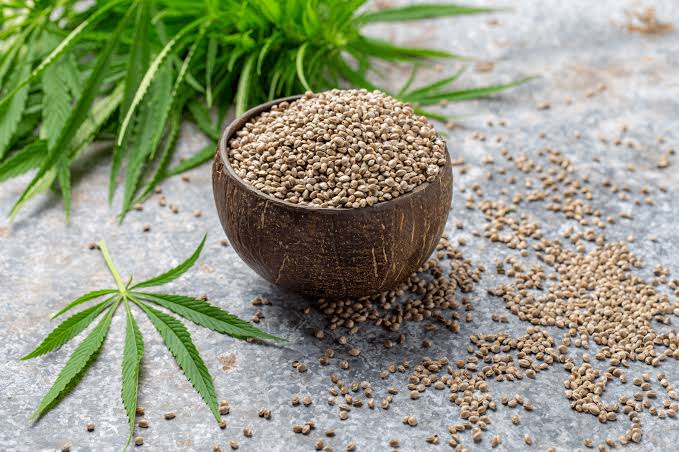
CBD seeds are bred to produce hemp plants with higher levels of cannabidiol (CBD) while remaining within the legal THC limits of the region where they are cultivated. The quality of the final crop depends on several factors, including genetics, growing conditions, nutrition, and proper plant care.
Whether grown indoors or outdoors, healthy plants require the right balance of light, water, nutrients, and environmental conditions throughout their growth cycle.
What Is Indoor Growing?
Indoor cultivation involves growing CBD plants inside a controlled environment such as a grow room, grow tent, or greenhouse with supplemental lighting. Growers use equipment to regulate temperature, humidity, airflow, and lighting, creating stable conditions throughout the plant’s life cycle.
Because environmental factors are carefully managed, indoor growing offers greater consistency and control.
Benefits of Indoor Growing
1. Complete Environmental Control
One of the biggest advantages of indoor growing is the ability to manage the growing environment.
Growers can regulate:
- Temperature
- Humidity
- Air circulation
- Light intensity
- Light schedules
This control helps create consistent growing conditions regardless of the season.
2. Protection From Harsh Weather
Indoor plants are protected from:
- Heavy rain
- Strong winds
- Frost
- Heat waves
- Unexpected weather changes
This reduces environmental stress on the plants.
3. Better Pest Management
Although pests can still occur indoors, growers generally have greater control over preventing infestations compared to outdoor cultivation.
Controlled environments also reduce exposure to insects, animals, and airborne contaminants.
4. Multiple Growing Cycles
Since indoor environments are independent of seasonal changes, growers may be able to cultivate plants throughout the year where legally permitted.
Challenges of Indoor Growing
Despite its advantages, indoor growing requires more planning and investment.
Common challenges include:
1. Higher Initial Costs
Indoor cultivation often requires equipment such as:
- Grow lights
- Ventilation systems
- Fans
- Timers
- Grow tents
- Environmental monitoring tools
These costs can be significant for beginners.
2. Increased Electricity Usage
Lighting and climate-control equipment consume electricity, increasing operating costs.
3. More Daily Maintenance
Indoor systems require regular monitoring to ensure environmental conditions remain stable.
Growers must frequently check:
- Temperature
- Humidity
- Equipment performance
- Plant health
What Is Outdoor Growing?
Outdoor cultivation relies on natural sunlight and seasonal weather conditions to grow CBD plants.
Plants are typically grown in fields, gardens, or other open spaces where they receive direct sunlight throughout the day.
Outdoor growing has been used for hemp cultivation for centuries and remains a popular option in suitable climates.
Benefits of Outdoor Growing
1. Natural Sunlight
Sunlight provides a full spectrum of natural light that supports healthy plant development.
Many growers appreciate the simplicity of allowing plants to grow under natural environmental conditions.
2. Lower Equipment Costs
Outdoor cultivation generally requires less equipment than indoor growing.
Without the need for artificial lighting or extensive climate-control systems, startup costs are often lower.
3. Larger Growing Space
Outdoor environments usually provide more room for plants to spread naturally.
Larger spaces may allow plants to grow bigger than they would indoors.
4. Reduced Energy Consumption
Since sunlight replaces artificial lighting, outdoor growing generally consumes less electricity.
This makes it an appealing option for growers focused on sustainability and lower operating costs.
Challenges of Outdoor Growing
Outdoor cultivation also comes with limitations.
1. Weather Dependence
Outdoor plants are exposed to:
- Heavy rainfall
- High winds
- Heat stress
- Cold temperatures
- Seasonal changes
Extreme weather can affect plant health and crop quality.
2. Greater Pest Exposure
Outdoor plants may encounter:
- Insects
- Birds
- Rodents
- Fungal diseases
- Mold
Regular monitoring is essential to identify problems early.
3. Limited Growing Season
Unlike indoor cultivation, outdoor growing is generally limited to the local growing season.
Climate conditions determine when planting and harvesting can occur.
Indoor vs Outdoor Growing: Key Differences
1. Environmental Control
Indoor growing offers precise control over environmental conditions, while outdoor cultivation depends on natural weather patterns.
2. Lighting
Indoor growers use specialized grow lights, whereas outdoor plants rely on natural sunlight.
3. Costs
Indoor cultivation typically involves higher setup and operating costs. Outdoor growing usually requires a smaller financial investment.
4. Plant Size
Outdoor plants often have more room to grow larger, while indoor plants are limited by available space.
5. Pest Management
Indoor cultivation generally provides better protection against pests, although proper sanitation remains essential.
6. Energy Use
Outdoor growing relies primarily on sunlight, making it more energy-efficient than indoor systems.
Which Method Produces Better CBD Plants?
There is no single answer to this question.
Plant quality depends on many factors, including:
- Seed genetics
- Proper nutrition
- Water management
- Environmental stability
- Plant care
- Harvest timing
- Drying and curing techniques
Both indoor and outdoor cultivation can produce healthy CBD-rich hemp when managed correctly.
Factors to Consider Before Choosing
When deciding between indoor and outdoor growing, consider the following:
1. Available Space
Indoor cultivation works well for limited spaces, while outdoor growing typically requires access to a suitable garden or field.
2. Climate
Regions with stable weather and long growing seasons may be well suited for outdoor cultivation.
Areas with unpredictable weather may benefit from the environmental control of indoor growing.
3. Budget
Indoor systems require greater initial investment.
Outdoor growing generally has lower equipment costs but may involve additional considerations such as fencing or pest management.
4. Time Commitment
Indoor growing requires regular equipment monitoring and environmental adjustments.
Outdoor cultivation also requires attention, especially during changing weather conditions.
Tips for Successful CBD Cultivation
Regardless of where you grow your CBD plants, following good cultivation practices can improve results.
1. Choose High-Quality CBD Seeds
Healthy plants begin with quality genetics from reputable seed suppliers.
2. Monitor Plant Health Regularly
Inspect plants frequently for signs of:
- Nutrient deficiencies
- Pest damage
- Disease
- Environmental stress
Early detection helps prevent larger problems.
3. Water Appropriately
Avoid both overwatering and underwatering.
Water requirements vary depending on plant size, growth stage, and environmental conditions.
4. Provide Proper Nutrition
CBD plants require balanced nutrients throughout different growth stages.
Always follow appropriate feeding recommendations for your growing medium.
5. Harvest at the Right Time
Harvest timing influences the overall quality of the final product.
Proper drying and curing after harvest are equally important for preserving cannabinoid content and overall flower quality.
Also Read: How Cannabis Seed Genetics Affect Plant Growth and Yield
Conclusion
Choosing between indoor and outdoor growing for CBD seeds depends on your individual circumstances, growing environment, and cultivation goals. Indoor growing offers precise control, year-round potential, and protection from harsh weather, while outdoor cultivation provides natural sunlight, lower operating costs, and the opportunity to grow larger plants.
Regardless of the method you choose, success begins with high-quality CBD seeds and a commitment to proper plant care. Paying close attention to environmental conditions, nutrition, watering, and plant health will help create the best possible growing environment. By understanding the strengths and challenges of each approach, you can make an informed decision that supports healthy plant growth and a rewarding cultivation experience.