
When growing cannabis, many cultivators focus on lighting, nutrients, watering schedules, and environmental conditions. While these factors are undeniably important, one element influences every stage of a plant’s development before the seed is even planted—its genetics.
Cannabis seed genetics determine a plant’s potential for growth, yield, resilience, flowering time, cannabinoid profile, and overall performance. Even under ideal growing conditions, a plant can only express the traits encoded in its genetic makeup.
Whether you’re a beginner or an experienced grower, understanding how cannabis seed genetics affect plant growth and yield can help you make better purchasing decisions and improve your cultivation results.
What Are Cannabis Seed Genetics?
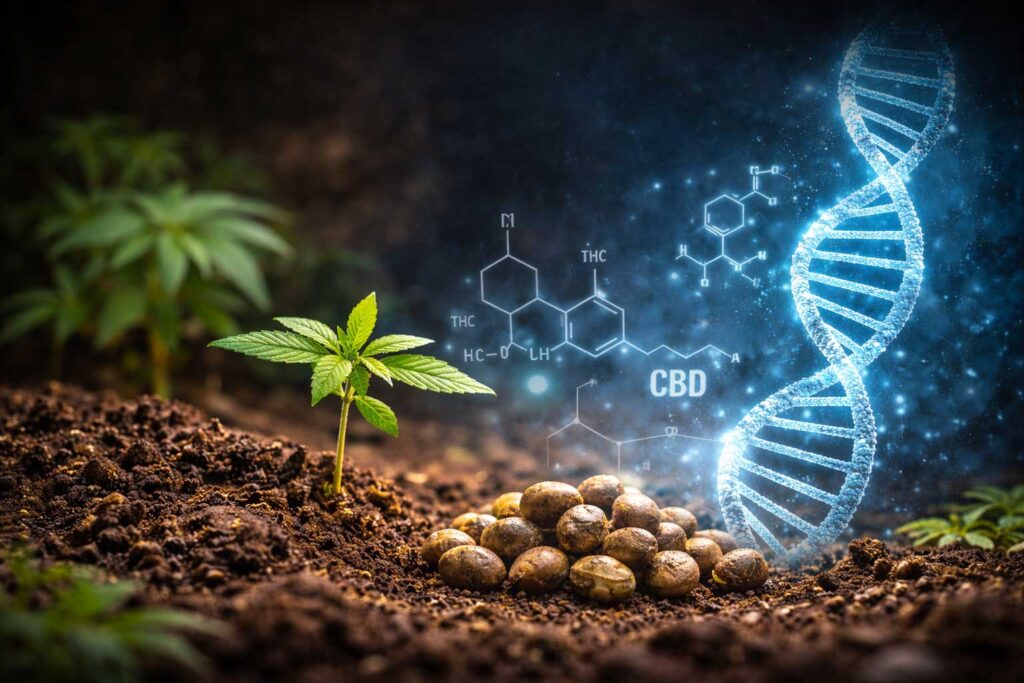
Cannabis seed genetics refer to the inherited characteristics passed from parent plants to their offspring. These genetic traits influence how a cannabis plant develops throughout its life cycle.
Genetics determine many important features, including:
- Plant size
- Growth rate
- Flowering time
- Yield potential
- Resistance to pests and diseases
- Adaptability to environmental conditions
- Aroma and flavor profiles
- Cannabinoid and terpene production
Think of genetics as the blueprint that guides every stage of a plant’s growth. While proper care helps a plant reach its potential, genetics define what that potential is.
Why Genetics Matter
A healthy growing environment can enhance plant performance, but it cannot fundamentally change inherited traits.
For example:
- A compact strain will not grow into a towering plant simply because it receives more nutrients.
- A fast-flowering variety will generally mature sooner than a long-flowering strain, even under similar conditions.
- A plant bred for high yields is more likely to produce abundant flowers than one with naturally modest production.
Selecting quality genetics gives growers a strong foundation for success.
The Relationship Between Genetics and Plant Growth
Genetics influence how a cannabis plant grows from germination through harvest.
Germination Success
High-quality seeds with stable genetics often have better germination rates when stored and handled correctly.
Strong genetics contribute to vigorous seedlings that establish healthy root systems early in development.
Vegetative Growth
During the vegetative stage, genetics determine:
- Growth speed
- Stem strength
- Leaf size
- Branching patterns
- Overall plant structure
Some strains naturally grow tall with long internodes, while others remain short and bushy.
These characteristics influence cultivation techniques and space requirements.
Flowering Characteristics
Genetics largely control:
- When flowering begins
- Flower development
- Bud density
- Flower size
- Harvest timing
Different strains have flowering periods ranging from approximately seven weeks to more than twelve weeks, depending on their lineage.
How Genetics Affect Yield
Yield is influenced by many factors, but genetics establish the plant’s maximum production potential.
Several inherited characteristics contribute to harvest size.
Plant Structure
Plants with strong branching patterns often develop more flowering sites.
More branches can provide greater opportunities for bud production when supported by proper cultivation techniques.
Flower Density
Some genetics naturally produce dense, compact flowers.
Others create lighter, airier buds.
Both can produce quality harvests, but their overall weight and appearance may differ.
Growth Vigor
Vigorous genetics often produce stronger root systems and healthier overall growth.
Healthy plants are generally better equipped to use nutrients, water, and light efficiently.
Environmental Adaptability
Certain genetics perform better under specific environmental conditions.
Plants adapted to local climates often experience less stress and maintain healthier development throughout the growing season.
The Role of Breeding
Modern cannabis breeding combines desirable characteristics from selected parent plants.
Breeders may focus on traits such as:
- Higher yields
- Faster flowering
- Improved disease resistance
- Enhanced terpene profiles
- Stable growth patterns
- Compact size
- Climate adaptability
By carefully selecting parent plants over multiple generations, breeders create more predictable and consistent seed varieties.
Stable Genetics vs. Unstable Genetics
Not all cannabis seeds offer the same level of consistency.
Stable Genetics
Well-developed genetics typically provide:
- Consistent growth
- Predictable flowering times
- Uniform plant characteristics
- Reliable performance
Plants grown from stable seeds often show similar traits across multiple individuals.
Unstable Genetics
Poorly stabilized genetics may produce plants with noticeable differences in:
- Height
- Flowering time
- Yield
- Aroma
- Growth habits
For growers seeking consistency, stable genetics are generally the preferred choice.
Indica, Sativa, and Hybrid Genetics
Cannabis genetics are commonly categorized into three broad groups.
Indica Genetics
Indica-dominant varieties often feature:
- Shorter plants
- Dense foliage
- Faster flowering
- Compact growth
These characteristics make many indica varieties suitable for smaller indoor growing spaces.
Sativa Genetics
Sativa-dominant plants are often known for:
- Taller growth
- Longer flowering periods
- Greater internodal spacing
- Larger overall size
Outdoor growers with ample space frequently choose sativa varieties.
Hybrid Genetics
Hybrids combine characteristics from both indica and sativa lineages.
Breeders develop hybrids to balance desirable traits, such as manageable plant size, strong yields, and adaptable growth patterns.
Genetics and Environmental Resistance
Healthy genetics can improve a plant’s ability to tolerate environmental challenges.
Certain varieties may demonstrate increased resilience to:
- Temperature fluctuations
- Humidity changes
- Common pests
- Plant diseases
- Minor environmental stress
Although no plant is completely resistant to adverse conditions, strong genetics can contribute to healthier overall growth.
Genetics and Growing Environment
Choosing genetics suited to your growing environment improves the likelihood of success.
Indoor Growing
Indoor cultivators often prioritize:
- Compact plant size
- Controlled flowering
- Efficient use of grow space
- Uniform growth
Outdoor Growing
Outdoor growers may focus on genetics that offer:
- Climate adaptability
- Resistance to changing weather
- Strong structural growth
- Appropriate flowering times for local seasons
Matching genetics to the environment allows plants to perform closer to their full potential.
Autoflower and Photoperiod Genetics
Cannabis genetics also influence flowering behavior.
Autoflower Genetics
Autoflower plants begin flowering automatically based on age.
Benefits include:
- Faster harvests
- Simpler light management
- Compact size
Photoperiod Genetics
Photoperiod plants flower in response to changes in light exposure.
These varieties often provide:
- Larger plants
- Greater yield potential
- More flexibility for plant training
Selecting the right genetics depends on your cultivation goals.
How to Choose High-Quality Cannabis Seeds
When purchasing cannabis seeds, genetics should be one of your top considerations.
Look for:
Reputable Breeders
Established breeders often invest years in developing stable, reliable genetics.
Transparent Product Information
Quality seed suppliers typically provide details regarding:
- Plant height
- Flowering time
- Yield expectations
- Indoor and outdoor suitability
- Difficulty level
Customer Reviews
Reviews from experienced growers can provide valuable insight into how consistently a strain performs.
Proper Seed Storage
Seeds should be stored under cool, dry conditions to preserve viability until planting.
Can Good Genetics Guarantee High Yields?
No.
Even the best genetics require proper care to reach their full potential.
Successful cultivation still depends on:
- Adequate lighting
- Balanced nutrition
- Proper watering
- Temperature management
- Humidity control
- Air circulation
- Pest prevention
Think of genetics as setting the ceiling for what a plant can achieve, while cultivation practices determine how closely it reaches that ceiling.
Common Mistakes When Choosing Cannabis Genetics
Avoid these common errors:
- Selecting strains based only on popularity.
- Ignoring your local climate.
- Buying seeds from unreliable sellers.
- Overlooking flowering time.
- Choosing genetics unsuitable for your available space.
- Assuming every strain performs the same under identical conditions.
Researching genetics before purchasing helps reduce these risks.
Also Read: How Cannabis Influences Creativity: Myth or Reality?
Final Thoughts
Cannabis seed genetics form the foundation of every successful grow. From germination and vegetative growth to flowering, yield, and resilience, genetics influence nearly every aspect of a plant’s development. While proper cultivation techniques are essential, they cannot replace the advantages of high-quality, stable genetics.
Choosing seeds from reputable breeders, understanding the differences between indica, sativa, hybrid, autoflower, and photoperiod varieties, and selecting genetics suited to your growing environment can significantly improve your cultivation experience.
By combining strong genetics with good growing practices, you give your cannabis plants the best opportunity to thrive and produce healthy, consistent harvests. Whether you’re cultivating your first crop or refining your skills as an experienced grower, investing time in understanding cannabis seed genetics is one of the smartest decisions you can make for long-term success.