
Introduction
Growing CBD-rich cannabis plants starts long before harvest—it begins with creating the right environment from the moment your seeds germinate. While genetics play an important role, growing conditions are what truly determine plant health, yield, and CBD quality.
Among all environmental factors, light, soil, and temperature are the most critical. Getting these right can make the difference between a thriving plant and a struggling one. This guide breaks down each element in a practical, beginner-friendly way to help you grow successfully.
Why Growing Conditions Matter
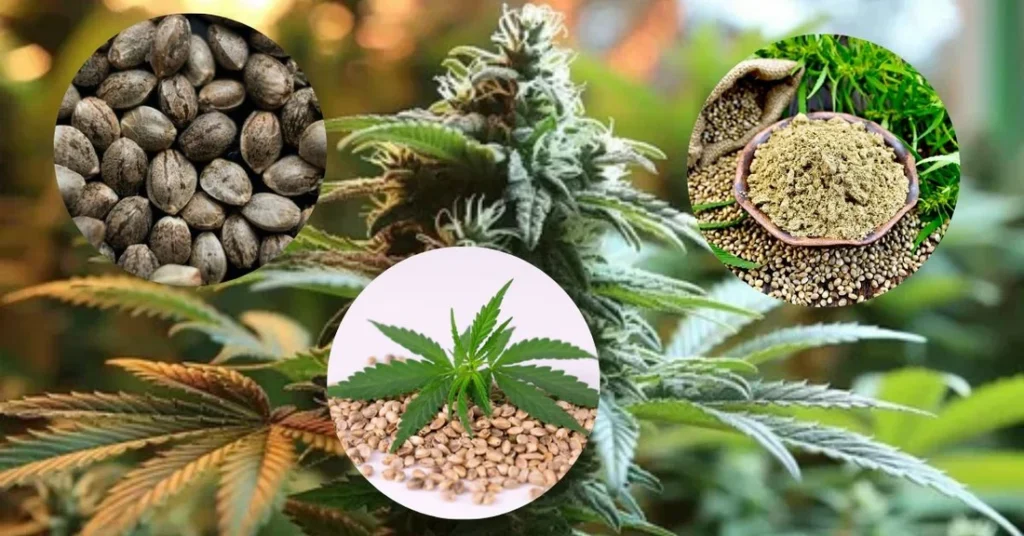
CBD seeds have the potential to produce high-quality plants, but only if they are supported by the right environment. Poor conditions can lead to:
- Slow or weak growth
- Nutrient deficiencies
- Lower CBD content
- Increased risk of pests and disease
On the other hand, optimized conditions help plants grow stronger, healthier, and more productive.
Light: The Engine of Growth
Light is one of the most important factors in cannabis cultivation. It fuels photosynthesis, which is the process plants use to convert light into energy.
Light Requirements for CBD Plants
Cannabis plants generally need:
- Vegetative stage: 16–18 hours of light per day
- Flowering stage: 12 hours of light and 12 hours of darkness (for photoperiod plants)
Autoflower CBD plants are more flexible and can grow under consistent light schedules.
Types of Light Sources
Natural Sunlight (Outdoor Growing)
Sunlight is the most natural and cost-effective option. CBD plants thrive in areas with:
- Full sun exposure (at least 6–8 hours daily)
- Consistent daylight during the growing season
Artificial Lighting (Indoor Growing)
Indoor growers rely on artificial lights such as:
- LED grow lights
- Fluorescent lights (for seedlings)
LED lights are especially popular because they:
- Use less energy
- Produce less heat
- Provide a full spectrum of light
Light Tips for Beginners
- Keep lights at an appropriate distance to avoid burning plants
- Ensure even light distribution
- Maintain a consistent light schedule
Proper lighting encourages strong growth and supports cannabinoid development.
Soil: The Foundation of Plant Health
Soil is where your CBD plant gets its nutrients, water, and structural support. Choosing the right soil can significantly impact plant growth.
Ideal Soil Characteristics
CBD plants prefer soil that is:
- Well-draining: Prevents water buildup and root rot
- Rich in organic matter: Provides essential nutrients
- Light and airy: Allows roots to expand easily
Recommended Soil pH
The ideal pH range for cannabis plants is:
- 6.0 to 7.0
Maintaining the correct pH ensures that nutrients are properly absorbed by the plant.
Soil Types to Consider
- Organic soil: Rich in natural nutrients, beginner-friendly
- Coco coir mix: Offers excellent drainage and aeration
- Pre-mixed cannabis soil blends: Designed specifically for optimal growth
Nutrient Considerations
CBD plants need a balance of key nutrients:
- Nitrogen (for vegetative growth)
- Phosphorus (for root and flower development)
- Potassium (for overall health and resilience)
Overfeeding can be just as harmful as underfeeding, so moderation is important.
Temperature: Maintaining the Right Environment
Temperature directly affects plant metabolism, growth rate, and overall health.
Ideal Temperature Range
- Daytime: 20°C to 28°C (68°F to 82°F)
- Nighttime: Slightly cooler, around 18°C to 22°C (64°F to 72°F)
Why Temperature Matters
- Too cold: Slows growth and nutrient uptake
- Too hot: Causes stress and may damage plants
- Fluctuations: Can lead to inconsistent development
Maintaining stable temperatures helps plants grow consistently and reduces stress.
Humidity and Airflow (Bonus Factors)
While light, soil, and temperature are key, humidity and airflow also play supporting roles.
Humidity Levels
- Seedling stage: 60–70%
- Vegetative stage: 40–60%
- Flowering stage: 40–50%
Air Circulation
Good airflow helps:
- Prevent mold and pests
- Strengthen plant stems
- Maintain consistent temperature and humidity
Simple fans or ventilation systems can improve air movement significantly.
Indoor vs. Outdoor Growing Conditions
Indoor Growing
- Full control over light, temperature, and humidity
- Requires equipment and setup
- Ideal for year-round cultivation
Outdoor Growing
- Relies on natural sunlight and climate
- Lower setup costs
- Dependent on seasonal changes
Both methods can produce high-quality CBD plants when conditions are properly managed.
Common Mistakes to Avoid
Beginners often face challenges due to a few common errors:
- Overwatering plants
- Using poor-quality soil
- Inconsistent light schedules
- Ignoring temperature fluctuations
- Overfeeding nutrients
Avoiding these mistakes can significantly improve your results.
Tips for Optimizing CBD Growth
To get the most out of your CBD seeds:
- Monitor your environment regularly
- Use reliable tools (thermometers, pH meters)
- Keep conditions stable and consistent
- Choose high-quality seeds
- Be patient and observe plant behavior
Small adjustments can lead to noticeable improvements in plant health and yield.
Also Read: How to Germinate CBD Seeds Successfully: Step-by-Step Guide
Final Thoughts
Growing CBD plants successfully comes down to creating the right environment. Light fuels growth, soil provides essential nutrients, and temperature keeps everything functioning smoothly. When these three elements are balanced, your plants are more likely to thrive.
For beginners, focusing on these basics is the best way to build confidence and develop strong growing skills. With time, attention, and the right conditions, your CBD seeds can grow into healthy plants that reflect the full potential of their genetics.