
Germination is the very first—and arguably the most important—stage in growing CBD-rich cannabis plants. No matter how strong the genetics or how carefully you manage nutrients later on, poor germination can limit growth potential right from the start. For anyone interested in CBD seeds, understanding the germination process helps ensure healthy seedlings, stable plant development, and consistent cannabinoid profiles later in the lifecycle.
This guide walks through the fundamentals of CBD seed germination in a clear, step-by-step way, explaining not only how to germinate seeds but why each step matters. While regulations vary by region, this content is intended purely for educational purposes. Always make sure you’re aware of and compliant with local laws before handling or cultivating cannabis seeds.
What Germination Means for CBD Seeds
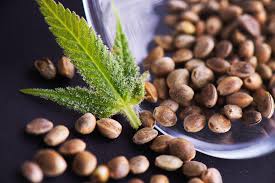
Germination is the biological process where a seed awakens from dormancy and begins to grow. Inside every viable CBD seed is a living embryo, protected by a hard outer shell. When exposed to the right conditions—mainly moisture, oxygen, and warmth—the seed activates, cracks open, and produces a taproot. This taproot becomes the foundation of the entire plant.
For CBD-dominant plants, successful germination is especially important because early stress can influence overall plant health, cannabinoid development, and resilience later in the growing cycle.
Understanding CBD Seed Quality Before Germination
Before starting the germination process, it’s important to understand what makes a CBD seed viable.
High-quality CBD seeds typically:
- Have a hard outer shell
- Appear dark brown or gray with subtle striping
- Feel firm when gently pressed
- Come from stable, well-bred genetics
Immature, pale, or cracked seeds are less likely to germinate successfully. Seed quality plays a bigger role than most beginners realize—no technique can fully compensate for weak genetics.
Step 1: Create the Right Environment
CBD seeds germinate best in a controlled environment that mimics early spring conditions.
Key conditions to focus on
- Temperature: Moderate warmth supports enzyme activity inside the seed
- Moisture: Enough to soften the seed shell, but not so much that it causes rot
- Oxygen: Seeds need air to fuel cellular activity
Germination does not require light. In fact, darkness often helps replicate natural soil conditions and encourages root development.
Step 2: Choose a Germination Method
There are several commonly used germination approaches. Each works when conditions are correct, and the “best” method often depends on personal preference and experience.
Paper Towel Method
This is one of the most widely used methods because it allows easy monitoring.
The idea is to place seeds between moist (not dripping) paper towels and keep them in a warm, dark location. The paper towel helps maintain consistent moisture while allowing oxygen to reach the seed.
Direct Soil Germination
In this method, seeds are placed directly into a growing medium such as light soil or seed-starting mix. This reduces handling and transplant stress but requires careful moisture control.
Starter Plugs or Cubes
Seed-starting plugs are designed to retain moisture while allowing airflow. They provide a stable environment for early root development and are commonly used in controlled growing setups.
Each method works when executed properly—the key is consistency rather than complexity.
Step 3: Maintain Proper Moisture Levels
Moisture activates germination, but excess water is one of the most common causes of failure.
CBD seeds should be:
- Kept consistently damp, not soaked
- Protected from standing water
- Allowed access to oxygen
Too much water can suffocate the embryo or promote fungal growth, while too little moisture can prevent the seed shell from opening. Balance is essential at this stage.
Step 4: Be Patient and Avoid Disturbance
Once seeds are placed in their germination environment, patience matters.
Most CBD seeds begin to sprout within a few days, but timing varies based on genetics and conditions. During this phase:
- Avoid handling seeds unnecessarily
- Do not force the shell open
- Do not expose fragile roots to light or dry air
The first root that appears—the taproot—is extremely delicate. Damage at this stage can permanently affect plant development.
Step 5: Transferring Sprouted Seeds Carefully
Once the taproot reaches a short, visible length, the seed is ready to be placed into its next growing medium if it wasn’t started there already.
Key considerations during transfer:
- Handle seeds by the shell, not the root
- Position the root downward into the medium
- Cover gently without compacting the soil
The goal is to provide support while allowing the root to continue growing freely.
Early Seedling Care: The First Critical Days
After germination, the seedling enters a vulnerable stage where environmental stability is crucial.
What seedlings need
- Gentle airflow, not strong drafts
- Consistent moisture near the root zone
- Stable temperatures
- Minimal stress
At this stage, overwatering and overhandling are more harmful than underdoing things. Healthy CBD seedlings grow steadily without rushing.
Common Germination Mistakes to Avoid
Many germination issues come from well-intentioned but unnecessary actions.
Frequent mistakes include
- Overwatering seeds
- Constantly checking or moving seeds
- Using cold or overly hot environments
- Starting with poor-quality seeds
- Applying nutrients too early
CBD seedlings don’t need nutrients immediately—the seed itself contains everything required for early growth.
How Germination Affects CBD Plant Quality
Strong germination leads to:
- Better root structure
- Improved nutrient uptake later
- More consistent growth patterns
- Greater resilience to environmental stress
While CBD concentration is primarily determined by genetics, healthy early development supports stable cannabinoid expression and overall plant vitality.
Legal and Ethical Considerations
Laws surrounding cannabis seeds and cultivation vary widely by country, province, and even municipality. In some regions, possession of seeds may be legal while cultivation is restricted or regulated.
Before attempting any form of cultivation:
- Understand local laws and licensing requirements
- Follow regional agricultural and safety guidelines
- Treat CBD seeds responsibly and ethically
This guide is intended for informational and educational purposes only.
Also Read: Organic vs Regular Cannabis Seeds – Which Is Better?
Final Thoughts
Germinating CBD seeds successfully isn’t about complicated techniques or expensive tools. It’s about understanding the biological needs of the seed and creating an environment that supports natural growth. By focusing on moisture balance, temperature stability, patience, and gentle handling, you dramatically improve the odds of healthy germination.
Strong plants begin with strong starts. When germination is done correctly, everything that follows—growth, structure, and cannabinoid development—has a much better foundation.