
CBD seeds have gained immense popularity among growers and producers, especially those focused on extracting CBD oil. The quality of the seeds you choose can significantly affect the yield and potency of your oil. Whether you’re a home grower or a commercial producer, understanding how to maximize both yield and potency is key to producing high-quality CBD oil.
This guide will walk you through everything you need to know about selecting the best CBD seeds for extraction, optimizing growth conditions, and maximizing both the amount and potency of your CBD oil.
What Are CBD Seeds?
CBD seeds are specifically bred cannabis seeds that produce plants rich in cannabidiol (CBD), one of the primary cannabinoids found in the cannabis plant. Unlike THC, CBD does not have psychoactive effects, making it a popular choice for therapeutic and wellness products.
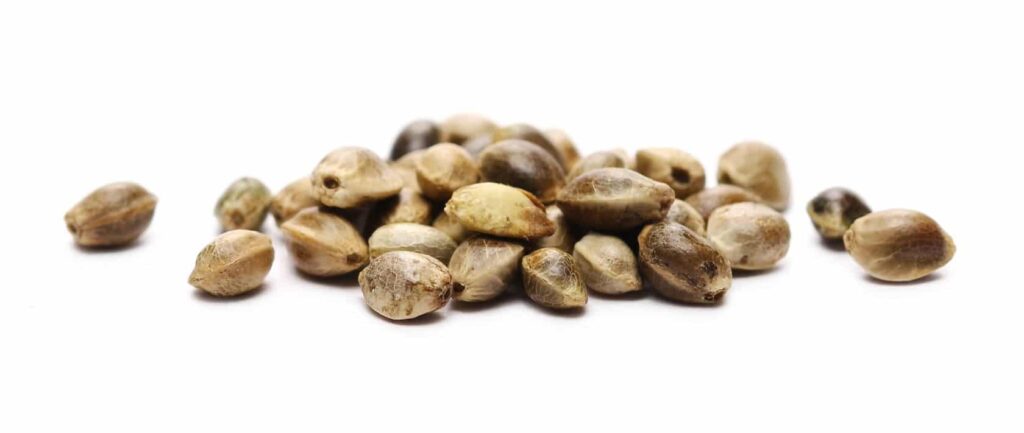
CBD seeds are typically divided into three categories:
- High-CBD, Low-THC: Ideal for extraction purposes, these seeds yield plants with a high CBD content and less than 0.3% THC, the legal limit in many regions.
- Balanced CBD: Seeds that produce plants with equal or near-equal levels of CBD and THC. These are sometimes preferred for specific medical conditions.
- CBD-Dominant: Seeds bred to produce maximum CBD content with very low THC levels, focusing entirely on therapeutic benefits.
For CBD oil extraction, high-CBD, low-THC seeds are the most desirable.
Importance of Selecting the Right CBD Seeds for Extraction
The quality of your CBD oil starts with the seeds. When it comes to extraction, choosing the right CBD seeds is crucial for optimizing both the yield (the quantity of oil extracted) and the potency (the concentration of CBD in the oil).
Factors to Consider When Choosing CBD Seeds for Extraction
- CBD Content: The higher the CBD content in the strain, the more potent your oil will be. Look for strains with verified CBD levels.
- Terpene Profile: Terpenes can enhance the therapeutic effects of CBD oil. Consider strains with a rich and diverse terpene profile for a more full-spectrum oil.
- Ease of Cultivation: Some strains are easier to grow and produce higher yields under different conditions. Consider your growing environment (indoor vs. outdoor, climate, etc.) when selecting seeds.
- Extraction Method Compatibility: Some CBD strains are more suitable for specific extraction methods (CO2, ethanol, etc.). Check if the strain you choose is recommended for your preferred method.
Maximizing Yield from CBD Seeds
Yield is a critical factor for anyone extracting CBD oil, especially on a commercial scale. The more biomass (cannabis flower) you can grow, the more CBD oil you can extract. Here are some tips for maximizing yield from your CBD seeds:
1. Optimize Growing Conditions
Growing conditions play a vital role in plant health and yield. Here are key factors to focus on:
- Light: CBD plants require a substantial amount of light, especially during the vegetative and flowering stages. Consider using high-quality grow lights for indoor cultivation or planting in a sunny location if you’re growing outdoors.
- Nutrients: Use nutrient-rich soil and provide appropriate supplements, especially nitrogen, phosphorus, and potassium. Organic fertilizers can help produce a cleaner product.
- Watering: Overwatering or underwatering can stunt growth or damage plants. Ensure a proper watering schedule based on the needs of the specific strain.
- Temperature & Humidity: Maintaining an optimal temperature between 70-85°F and moderate humidity is essential. These conditions promote healthy growth and prevent mold and pest infestations.
2. Prune and Train Your Plants
Pruning and training techniques like topping, low-stress training (LST), or screen of green (SCROG) can help maximize light exposure and promote a higher yield by encouraging the growth of more colas (flowering sites).
3. Use Autoflowering CBD Seeds for Multiple Harvests
If you want to maximize the number of harvests in a year, consider using autoflowering CBD seeds. These plants have a shorter growing cycle and don’t depend on light schedules to start flowering, allowing for multiple harvests annually.
4. Harvest at the Right Time
Timing your harvest is crucial. CBD content peaks when trichomes (the resinous glands on cannabis flowers) are cloudy or milky in appearance. Harvesting too early or too late can affect the potency of your oil. Use a magnifying glass or microscope to monitor trichome development and harvest at the optimal time.
Maximizing Potency for CBD Oil Extraction
Potency refers to the concentration of CBD in your final oil product. The more CBD you can extract from your plants, the stronger and more effective your oil will be.
1. Use High-CBD Strains
To produce high-potency CBD oil, start with high-CBD strains. These strains are bred to maximize the amount of CBD produced by the plant and minimize THC content. Some popular high-CBD strains for extraction include:
- Charlotte’s Web: Known for its high CBD content and low THC, Charlotte’s Web is a favorite for medicinal purposes.
- ACDC: Another high-CBD strain with minimal THC, making it ideal for extraction.
- Cannatonic: Offers a balanced CBD-to-THC ratio and is often used for medical applications.
2. Utilize Proper Extraction Methods
The extraction method you choose plays a significant role in the potency of your CBD oil. Some methods are better at preserving cannabinoids and terpenes than others.
- CO2 Extraction: This is considered the gold standard for CBD oil extraction, as it efficiently captures cannabinoids and terpenes while producing a clean, high-potency oil.
- Ethanol Extraction: This method is also highly effective, especially when extracting large quantities. However, it may result in a slightly less potent product compared to CO2 extraction.
- Oil Extraction: If you’re extracting CBD oil at home, using a carrier oil like olive oil or coconut oil is a simple, safe method. Though it may not result in the highest potency, it preserves the plant’s cannabinoids and terpenes.
3. Decarboxylation: Activating CBD for Extraction
Before extraction, it’s important to decarboxylate your cannabis. This process activates the CBD in the plant material by applying heat, ensuring maximum potency in your oil. To decarboxylate your cannabis, spread the plant material evenly on a baking tray and heat it in an oven at 220°F (105°C) for 30-45 minutes.
4. Preserve Terpenes for Full-Spectrum Benefits
Terpenes play an important role in the efficacy of CBD oil by enhancing the therapeutic effects of cannabinoids (a phenomenon known as the entourage effect). Preserving terpenes during extraction can increase both the potency and effectiveness of your CBD oil. Lower temperature extraction methods, such as CO2 extraction, are ideal for preserving these volatile compounds.
5. Cure and Dry Your Plants Properly
Proper curing and drying of your plants post-harvest can affect the potency of your CBD oil. Curing allows the plant to break down chlorophyll, enhancing cannabinoid content and flavor. Drying your plants in a dark, cool, and well-ventilated space will help preserve potency and quality.
Conclusion
Maximizing the yield and potency of your CBD oil starts with choosing the right CBD seeds and optimizing your cultivation and extraction techniques. By selecting high-CBD strains, utilizing effective growing methods, and following proper extraction protocols, you can produce high-quality CBD oil that offers maximum therapeutic benefits. Whether you’re growing for personal use or commercial production, taking the time to refine each stage of the process will ensure that your CBD oil is both potent and plentiful.