
The world of CBD, or cannabidiol, has seen an incredible transformation over the past few decades. What was once a relatively obscure compound has now become a global phenomenon, with millions of people using CBD products for various health and wellness benefits. But behind every CBD oil, tincture, or edible lies a story of evolution—one that begins with ancient strains of cannabis and leads to the modern hybrid seeds we see today. In this blog post, we’ll explore the fascinating journey of CBD seeds, from their ancient origins to the sophisticated hybrids that dominate the market today.
The Ancient Origins of Cannabis Strains
Understanding the origins of cannabis is crucial to appreciating the journey of CBD seeds. The plant’s long history of cultivation by various civilizations has laid the foundation for the diverse range of cannabis strains we have today. By exploring the ancient strains, we gain insight into how these plants were initially valued and how their characteristics have been selectively bred to enhance specific traits, including CBD content.
A Brief History of Cannabis
Cannabis, a plant with a history that spans thousands of years, has been cultivated and utilized by various cultures across the globe. The earliest records of cannabis use date back to ancient China around 2,700 BCE, where it was prized for its medicinal properties. From there, cannabis spread to India, the Middle East, and eventually Europe and the Americas.
The Role of Ancient Strains in CBD Development
In ancient times, cannabis was not differentiated into the distinct categories of “hemp” and “marijuana” as we know them today. Instead, it was simply cultivated for various uses, including fiber, medicine, and recreation. The strains that were used in these early cultures were often landrace strains—wild, naturally occurring varieties of cannabis that had adapted to specific geographic regions. These ancient strains laid the foundation for the CBD-rich plants we cultivate today.
Landrace Strains: The Building Blocks of Modern Hybrids
Landrace strains are pure cannabis strains that have developed over centuries in specific regions without any significant human intervention. These strains are the true ancestors of all modern cannabis varieties, including those rich in CBD. Some well-known landrace strains include:
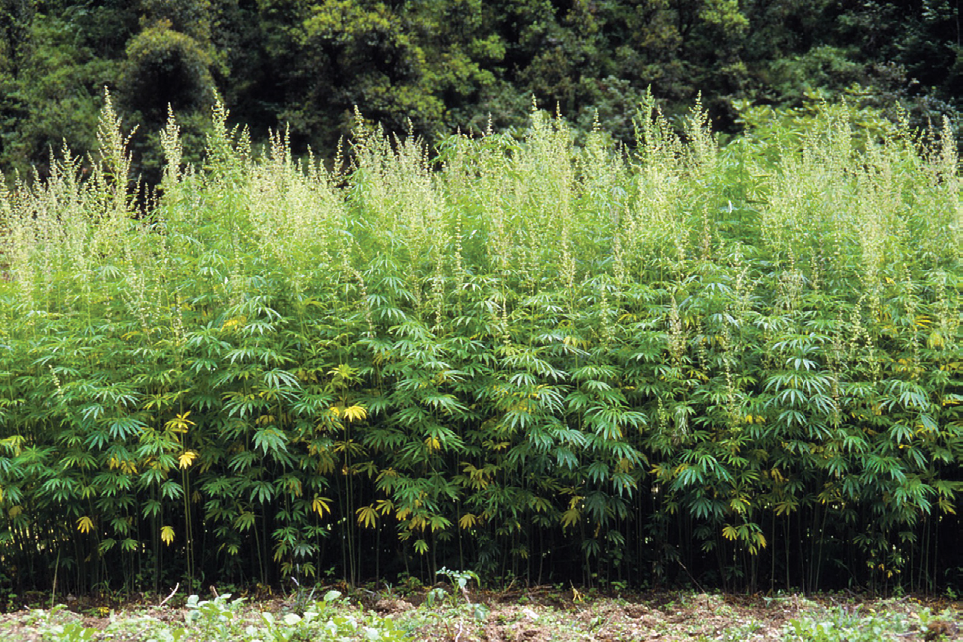
- Afghan Kush: Originating from the mountainous regions of Afghanistan, this strain is known for its high resin content and robust growth.
- Hindu Kush: A landrace strain from the Hindu Kush mountain range, known for its potency and resilience.
- Thai: A sativa landrace strain from Thailand, celebrated for its uplifting effects and unique flavor profile.
These landrace strains were essential in developing the diverse array of cannabis genetics we see today, including those specifically bred for high CBD content.
The Emergence of Selective Breeding
As cannabis cultivation spread across different regions, growers began to recognize the diverse characteristics of the plant. Selective breeding allowed them to amplify certain desirable traits, leading to the first deliberate efforts to create strains with specific cannabinoid profiles. This process of selecting and breeding plants based on their cannabinoid content marked the beginning of the journey towards modern CBD-rich strains.
The Shift Toward Specific Cannabinoid Profiles
As cannabis use became more widespread, growers began to notice the varying effects produced by different plants. This led to the practice of selective breeding, where growers would cross plants with desirable traits to produce offspring with specific characteristics. Initially, the focus was primarily on increasing THC levels—the psychoactive compound responsible for the “high” associated with cannabis use.
However, as research into cannabinoids progressed, the therapeutic potential of CBD became more apparent. This discovery marked the beginning of a new era in cannabis cultivation, where growers started to breed plants specifically for their CBD content.
The Development of High-CBD Strains
The early 2000s saw a significant shift in cannabis breeding as demand for CBD-rich products began to rise. Growers began to experiment with different landrace strains, selectively breeding plants that exhibited high levels of CBD while maintaining low THC content. This was no small feat, as most cannabis strains at the time were bred for their psychoactive properties, resulting in high THC levels.
One of the first successful high-CBD strains was “Charlotte’s Web,” developed by the Stanley Brothers in Colorado. This strain was named after Charlotte Figi, a young girl with a severe form of epilepsy who experienced a dramatic reduction in seizures after using CBD oil derived from the strain. Charlotte’s Web contained very low levels of THC (below 0.3%) and high levels of CBD, making it non-psychoactive and highly therapeutic.
Modern Hybrids: The Intersection of Science and Cultivation
With the rise of modern cannabis breeding techniques, the possibilities for creating new and improved strains have expanded significantly. The integration of science and cultivation practices has led to the development of hybrids that not only meet specific market demands but also offer enhanced benefits. These modern hybrids represent the culmination of centuries of cultivation knowledge combined with cutting-edge technology.
The Role of Genetics in Modern CBD Strains
Today’s cannabis breeders have access to advanced genetic testing and molecular biology techniques, allowing them to create highly specialized strains with precise cannabinoid profiles. Modern hybrids are often the result of crossing multiple strains to achieve specific characteristics, such as high CBD content, unique terpene profiles, or resistance to pests and diseases.
Genetic mapping and testing have become essential tools in the breeding process, enabling breeders to identify the genes responsible for CBD production and other desirable traits. This scientific approach has led to the creation of strains that are not only rich in CBD but also tailored to meet the specific needs of consumers.
Popular Modern CBD Strains
Modern hybrids come in various forms, each offering a unique combination of cannabinoids and terpenes. Some popular high-CBD strains include:
- ACDC: A sativa-dominant hybrid with a CBD-to-THC ratio of 20:1, making it an ideal choice for those seeking therapeutic effects without the high.
- Harlequin: A balanced hybrid known for its 5:2 CBD-to-THC ratio, offering mild psychoactive effects along with significant medicinal benefits.
- Sour Tsunami: One of the first strains specifically bred for high CBD content, known for its ability to relieve pain and inflammation without intoxication.
These modern hybrids are the result of years of careful breeding and selection, combining the best traits of ancient strains with the demands of today’s market.
The Future of CBD Seed Development
As we look towards the future of CBD seed development, it’s clear that innovation will continue to play a central role. From advanced genetic editing to sustainable cultivation practices, the future holds exciting possibilities for the next generation of CBD strains. These advancements promise to enhance the therapeutic potential of CBD and meet the evolving needs of consumers.
Advancements in Breeding Techniques
As our understanding of cannabis genetics continues to grow, so too does the potential for developing new and improved CBD strains. Techniques such as CRISPR (a gene-editing technology) and tissue culture are being explored as ways to enhance specific traits in cannabis plants, including CBD production, growth rates, and resistance to environmental stressors.
The Potential for Personalized CBD Products
One exciting possibility on the horizon is the development of personalized CBD products. By analyzing a person’s genetic makeup, it may become possible to create custom strains that are optimized for an individual’s unique endocannabinoid system. This could lead to more effective treatments for a wide range of conditions, from anxiety and chronic pain to epilepsy and multiple sclerosis.
The Importance of Sustainability
As the demand for CBD continues to rise, sustainability has become a key consideration in seed development. Breeders are increasingly focused on creating strains that require fewer resources, such as water and fertilizers, and that are resistant to pests and diseases. This not only helps reduce the environmental impact of cannabis cultivation but also ensures that high-quality CBD products remain accessible to consumers worldwide.
Conclusion
The evolution of CBD seeds from ancient landrace strains to modern hybrids is a testament to the ingenuity and persistence of cannabis breeders. What began as a wild, naturally occurring plant has been transformed through centuries of cultivation into a highly specialized crop capable of producing a wide range of therapeutic benefits. As breeding techniques continue to advance, the future holds even more promise for the development of CBD strains that are tailored to meet the diverse needs of consumers around the globe.
At Extracted CBD, we’re committed to providing you with the latest insights into the world of CBD, including the fascinating journey of the seeds that make it all possible. Whether you’re a seasoned grower or simply curious about the origins of your favorite CBD products, understanding the evolution of CBD seeds offers a deeper appreciation for this remarkable plant and its potential to enhance our well-being.