
Growing your own CBD-rich cannabis from seeds can be a rewarding experience, offering not just therapeutic benefits but also a deep connection to the cultivation process. Sprouting, or germination, is the first critical step in this journey. This guide will take you through everything you need to know about sprouting CBD seeds, ensuring that you start your cultivation journey on the right foot.
Understanding CBD Seeds
Before diving into the sprouting process, it’s essential to understand what CBD seeds are. Unlike THC-dominant strains, CBD seeds are bred to produce cannabis plants that are high in cannabidiol (CBD), a cannabinoid known for its therapeutic properties without psychoactive effects. These seeds can either be feminized, ensuring that the plants will be female and thus produce buds, or they can be regular seeds, which will produce both male and female plants.
Choosing the Right Seeds
Selecting high-quality seeds is crucial to successful cultivation. Look for reputable seed banks or distributors with positive reviews and a track record of seed viability. Consider the specific CBD strain’s growth characteristics, such as flowering time, plant height, and resistance to pests and diseases, which should align with your growing environment and experience level.
Optimal Conditions for Germination
CBD seeds require specific environmental conditions to germinate successfully:
- Temperature: Ideal germination temperatures are between 70-85°F (21-29°C). Consistent warmth is crucial, as fluctuating temperatures can inhibit sprouting.
- Moisture: Seeds need to be kept moist but not waterlogged. Excessive water can cause seeds to rot, while too little can prevent them from sprouting.
- Air: Oxygen is vital for germination. Ensure that your germination setup allows the seeds to breathe while retaining moisture.
Methods for Sprouting CBD Seeds
There are several effective methods for sprouting CBD seeds, each with its own advantages. Here are the most popular techniques:
1. Paper Towel Method
This method involves placing CBD seeds between moist paper towels and then inside two plates facing each other, creating a dark and moist environment.
- Pros: Easy to monitor and doesn’t require soil.
- Cons: Handling delicate sprouted seeds can lead to damage if not done carefully.
2. Direct Soil Method
Planting seeds directly into the soil is the most natural germination method.
- Pros: Avoids the stress of transplanting young seedlings.
- Cons: More difficult to ensure the seeds have ideal moisture and temperature conditions.
3. Starter Cubes and Plugs
Using starter cubes or plugs made from rockwool or peat is an effective way to germinate CBD seeds.
- Pros: Maintains the ideal balance of moisture and air; easy transplanting without disturbing the roots.
- Cons: Initial cost and need for specific supplies.
4. Water Immersion Method
Soaking seeds in water for 24-48 hours can help soften the seed shell, promoting germination.
- Pros: Simple and effective, especially for older seeds.
- Cons: Risk of drowning seeds if left too long.
Step-by-Step Guide to Sprouting CBD Seeds
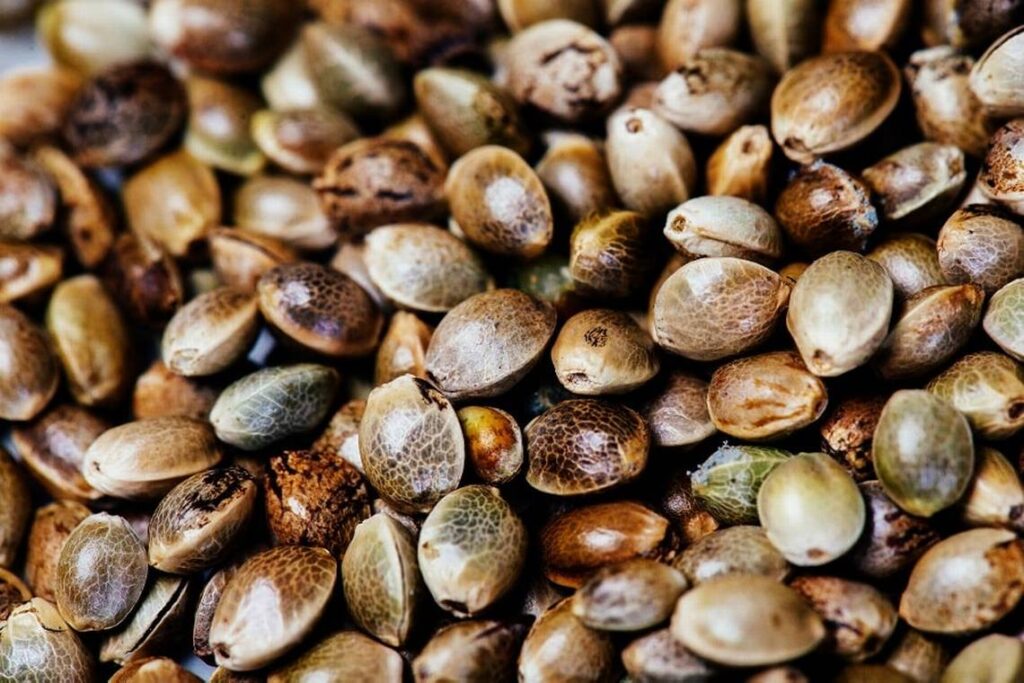
Step 1: Prepare Your Seeds
Select healthy, undamaged seeds for the best chance of successful germination. If using the water immersion method, soak the seeds for no more than 48 hours.
Step 2: Choose Your Germination Method
Decide on the method based on your resources, experience, and the specific needs of the seed strain. Prepare materials accordingly.
Step 3: Monitor and Maintain Ideal Conditions
Place your seeds in the chosen germination environment. If using the paper towel method, ensure the towels remain moist but not soggy. If planting directly into soil or using cubes, keep the medium evenly moist and cover with a dome or plastic wrap to retain humidity.
Step 4: Wait for Sprouting
Germination can take anywhere from 24 hours to a week, depending on the seed and conditions. Check regularly but avoid disturbing the seeds unnecessarily.
Step 5: Transplant Carefully
Once the seedlings have sprouted and the first set of true leaves appear, they are ready for transplanting into their more permanent growing medium. Handle the delicate seedlings carefully to avoid damaging the taproot.
Troubleshooting Common Issues
- Seeds Not Germinating: Check if the seeds are too old or were stored improperly. Ensure that the environmental conditions are within the ideal range for temperature and moisture.
- Mold or Fungus: This can occur if the germination medium is too wet. Reduce moisture levels and improve air circulation.
- Seedlings Stretching or Weak: Typically caused by inadequate light. Ensure that your seedlings receive plenty of light from the moment they sprout.
Advanced Germination Techniques
Beyond the basic methods of sprouting, advanced techniques can enhance the reliability and efficiency of germination:
- Temperature Control: Using a heat mat specifically designed for seed germination can help maintain an optimal, consistent temperature, which is crucial in avoiding the risks of temperature fluctuations that can affect germination rates.
- Hydration Techniques: Instead of soaking the seeds or using moist paper towels, consider using a spray bottle to gently mist the seeds, providing moisture without over-saturation. This method reduces the risk of mold and gives you finer control over the humidity levels around your seeds.
- Using Enzymes: Applying a mild solution of enzymes can help break down the outer shell of the seeds, making it easier for the taproot to emerge. This is particularly useful for older seeds or those with thicker shells.
Post-Germination Care
Once your CBD seeds have sprouted, the real challenge begins as you nurture these fragile seedlings into full-grown plants:
- Lighting: After sprouting, seedlings require significant amounts of light to grow healthy and strong. A common mistake is to provide insufficient light, which can lead to weak, leggy plants. Use a full-spectrum grow light and position it close enough to promote growth but far enough to prevent heat stress.
- Nutrient Feedings: Seedlings have delicate roots that are prone to nutrient burn if fed too strong a solution. Begin with a quarter-strength nutrient mix specifically designed for cannabis and gradually increase the concentration as the plant matures.
- Environmental Stress: Protecting young plants from environmental stressors such as high winds, heavy rains, or extreme temperatures is crucial. Indoors, control your environment with fans, humidifiers, and heaters to keep conditions stable. Outdoors, consider using a greenhouse or protective cloche to shield plants from harsh conditions.
Transitioning to Vegetative Growth
As your seedlings establish themselves, they will transition into the vegetative stage, where they develop the bulk of their growth:
- Potting Up: Transplanting your seedlings to larger pots is necessary as they grow. Be sure to handle the roots with care and use soil that is rich in nutrients but well-draining to avoid waterlogging.
- Training Techniques: Techniques such as topping (removing the top of the plant to promote bushier growth) and low-stress training (bending and tying down branches to expose more of the plant to light) can be started early to shape your plants and increase their yield potential.
- Monitoring Plant Health: Keep a close eye on leaf color and texture. Signs of nutrient deficiencies or pest issues often appear first on leaves, and early intervention is key to maintaining plant health.
Preparing for Flowering
After the vegetative phase, preparing your plants for flowering involves crucial adjustments:
- Light Adjustment: Reduce the light exposure from 18 hours to 12 hours per day to trigger flowering. This mimics the natural reduction in daylight hours as seasons change, signaling to the plants that it’s time to reproduce.
- Nutrient Switch: As your plant enters the flowering stage, its nutrient requirements change. Switch from nitrogen-rich vegetative nutrients to phosphorus and potassium-rich flowering nutrients to support bud development.
- Humidity and Temperature Control: Lowering the humidity and slightly reducing the temperature can help promote dense, resinous bud growth while reducing the risk of mold and mildew.
Troubleshooting During Flowering
Flowering plants are particularly susceptible to a range of issues that require careful attention:
- Bud Rot: This fungal infection can destroy your buds if humidity is too high. Ensure good air circulation around your plants and keep humidity controlled.
- Nutrient Lockout: Overfeeding can lead to a buildup of salts in the soil, preventing plants from absorbing nutrients effectively. If growth seems stunted or leaves discolor despite proper feeding, consider flushing your soil with plain water.
- Pest Management: Keep an eye out for signs of pests such as spider mites or aphids, which can rapidly damage flowering cannabis. Use organic pesticides or introduce beneficial insects like ladybugs to manage infestations without harming your plants.
Read Also : Why Lighting is Important for Happy Cannabis Plants: Unveiling the Power of LEDs
Conclusion
Sprouting CBD seeds is the foundational step in cultivating your own CBD-rich cannabis. By understanding the needs of your seeds and providing them with the appropriate care during germination, you set the stage for healthy plants that will yield high-quality CBD. Patience, attention to detail, and responsiveness to the needs of your plants during this early stage will lead to rewarding results in your cannabis cultivation endeavors.
This guide should equip you with the knowledge and techniques needed to start your journey into the world of growing CBD-rich cannabis successfully. Whether you’re growing for personal use or exploring the therapeutic potentials of CBD, the process begins with a tiny seed bursting to life under your care.